Growing your own lettuce or tomatoes often feels like a constant battle between you and garden pests. Aphids suck sap from new growth, beetles devastate your plants, and rodents leave damage in their wake. These unwanted visitors come in all shapes and sizes. Homeowners discover the problem too late most of the time, after pests have already damaged leaves or stems. This piece walks you through practical methods to identify common garden pests, eliminate them and prevent their return. You’ll learn proven pest control for garden spaces that works in real-life conditions.
How to Identify Garden Pests in Your Yard
Most homeowners wait until damage becomes obvious before realizing they have pests in the garden. Learning what specific damage patterns look like and where pests hide during different times of day can help you catch infestations earlier.
Look for Visual Signs of Damage
Different pests leave distinctive damage signatures on plants. Holes with smooth, round edges typically indicate beetles. Ragged, torn edges suggest caterpillars or grasshoppers. Skeletonized leaves with only veins remaining point to Japanese beetles. Stippling appears as tiny yellow or white dots on foliage and signals piercing-sucking insects like thrips or mites. Spider mites are feeding even if you cannot see them yet when leaves look speckled and bronzed.
Check Plant Leaves and Stems
Start with new growth, shoots and buds since these tender, nutrient-rich areas attract pests first. Growing tips should be checked for curling, discoloration or sticky residue called honeydew from aphids. Lift leaves and inspect undersides where aphids, whiteflies and spider mites congregate to avoid sun and predators. One aphid cluster can contain 50-100 individuals. Search in detail for tiny eggs, often yellow or white and clustered on leaf undersides. Ants marching up and down stems are likely protecting aphid colonies above.
Get Into the Soil and Root Area
Pull back mulch and check the top inch of soil around plant bases for tunneling, small mounds or disturbed areas. Young plants cut off at soil level overnight show cutworm damage. Silvery mucus tracks indicate slugs and snails that hide under debris during daylight. Plants that wilt despite moist soil may have root-feeding pests or stem borers that interrupt water transport.
Identify Pest Droppings and Trails
Small, dark droppings on leaves or soil indicate caterpillars, beetles or other chewing insects. Fresh droppings look moist and appear daily when pests actively feed. Rodent droppings are smooth and often pointed at one end. Mouse droppings measure less than 1/4 inch long. Rat droppings exceed 1/3 inch. Cockroach droppings have ridges due to their rectal pad structures.
Use Time of Day to Spot Active Pests
Check your garden during early morning (6-9 AM) or late afternoon (5-7 PM) when pest activity peaks during cooler temperatures. Many pests hide during peak heat and emerge to feed when conditions moderate, especially when you have aphids, spider mites or caterpillars. Nocturnal pests like slugs, weevils and earwigs work the night shift. Use a flashlight after dark to catch these nighttime feeders in action.
Common Garden Pests You Need to Know

Image Source: THE SAGE – Gardenuity Blog – Gardenuity
Recognizing the actual pest causing damage helps you choose the right control method. Different garden pests require different approaches, and misidentification wastes time and money.
Aphids and Small Sucking Insects
Green peach aphid attacks over 500 host plants and appears yellowish-green or reddish with three dark lines on its back. These soft-bodied insects range from 1 to 7 mm in length. Cabbage aphid appears gray-green with a powdery, waxy covering and clusters on leaf undersides. Oleander aphid stands out as bright yellow. Aphid populations explode in spring before natural predators become active in sufficient numbers.
Beetles and Hard-Shelled Pests
Japanese beetles measure about 1/2 inch long with metallic green bodies, bronze wing covers, and white hair tufts along each side. Rose chafers reach 3/4 inch in length and appear tan to gray with spindly legs. They emerge suddenly in great numbers around mid to late June. Asiatic garden beetles look cinnamon-brown, about the size and shape of coffee beans at 1/2 inch long. These beetles feed mostly at night, so you’ll need flashlight inspections to spot them.
Caterpillars and Larvae
Caterpillars have three pairs of legs behind the head and leg-like appendages on some abdominal segments. Cabbage loopers attack cabbage, beans, broccoli and related crops. Tomato hornworms grow 3 to 5 inches long with a distinctive horn that projects from their rear.
Slugs and Snails
Gray garden slugs, the most common pest slug, grow 1.4 to 2 inches long. Brown garden snails have shell diameters from 1 to 1.5 inches wide. Both feed mostly at night and leave silvery slime trails.
Rodents and Small Mammals
Ground squirrels forage within a 75-yard radius of their burrows. Moles create interconnecting tunnel networks and dislodge plants while burrowing. Voles run in tunnels through vegetation just above or below the soil surface.
Larger Animals Like Deer and Rabbits
Deer damage appears above 3 feet high, while rabbit damage stays low to the ground. Woodchucks eat vegetables in the seedling stage and can climb to reach fruit.
Step-by-Step Methods to Eliminate Garden Pests

Image Source: Homesteading Family
Control methods work best when matched to the specific pest type and infestation level. Begin with the least invasive approach to prevent unnecessary harm to beneficial insects and soil ecosystems.
Remove Pests by Hand
Handpicking earns an 87% success rate for slug control. Fill a container halfway with water and add two squirts of dish soap, then knock pests into it. This works well for slowly moving insects like caterpillars, beetles and squash bugs. Early morning or late evening gives better visibility and cooler temperatures for this task.
Use Water Spray for Soft-Bodied Insects
A strong water spray knocks aphids and whiteflies off plants. This method doesn’t kill pests but gives temporary relief while you prepare other solutions.
Apply Natural Soap Solutions
Mix 1 to 2 teaspoons of dish soap per pint of water for a 1-2% concentration. Insecticidal soap reaches 90% effectiveness against soft-bodied insects. Spray on aphids, whiteflies and thrips, coating their bodies. Apply during morning hours to minimize plant stress.
Install Physical Barriers and Covers
Row covers reach an 82% success rate when installed before pests arrive. Place spunbonded fabric over seedlings and secure edges to soil. This prevents egg-laying and feeding damage from beetles and butterflies.
Attract Natural Predators
Ladybugs, lacewings and parasitic wasps control pest populations. Plant native flowers with different bloom times to provide continuous pollen and nectar. Birds and frogs also reduce garden pests when you create diverse habitat with log piles and rock gardens.
Use Organic Pesticides as Last Resort
Organic controls work best as prevention rather than reaction to major outbreaks. Bt receives a 95% effectiveness rating, while spinosad earns 79%. Neem oil disrupts insect hormones and feeding patterns. Mix 1-2 tablespoons neem oil per gallon of water. Spray late evening to protect pollinators and prevent leaf stress. Rotate spinosad, Bt and pyrethrin weekly while using neem oil.
How to Prevent Pests from Returning

Image Source: Thrive Lot
Prevention strategies save you from repeating pest battles season after season. Long-term management focuses on creating conditions where pests cannot thrive or reproduce.
Keep Your Garden Clean and Tidy
Fallen leaves, sticks and overgrown shrubs provide hiding spots for pests. Regular debris removal eliminates shelter. Weeds, tall grass and yard debris attract pests by offering both food and protection. Harvest spent plants immediately, especially those from nightshade families like tomatoes and peppers, and cucurbit families including squash. These plants harbor disease and pest eggs that survive winter. Mosquitoes breed in standing water, so check gutters and drainage often.
Practice Crop Rotation Each Season
Crop rotation disrupts pests’ lifecycles by removing their food source. A 3-4 year rotation brings the best results, though shorter rotations still help. To name just one example, corn rootworm larvae cannot survive without corn plants. Potatoes, tomatoes or cabbage moved to different beds each year prevent soil-dwelling pests from building populations.
Plant Companion Plants That Repel Pests
Basil planted near tomatoes deters hornworms and whiteflies. Chives and onions repel aphids with their pungent scent. Thyme works against cabbage worms and loopers. Marigolds control root-knot nematodes. Nasturtiums act as trap crops and draw aphids away from vegetables.
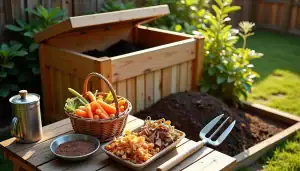
Add Compost to Strengthen Plants
Compost provides plants greater resistance to pests by balancing nutrients. Plants with balanced nutrients stand up better to pest attacks. One study found that compost application resulted in more predators and fewer herbivores in treated plots.
Conclusion
You now have everything you need to identify, eliminate and prevent garden pests. Inspect your plants during morning or evening hours when pest activity peaks. Handpick visible insects and spray soft-bodied pests with soap solutions. Install barriers before infestations worsen.
Keep your garden clean and rotate crops each season to break pest lifecycles. Your plants will reward you with healthier growth and better harvests if you stay consistent with these strategies.
FAQs
Q1. What are the most common pests that attack home gardens? The most frequently encountered garden pests include aphids (small sucking insects that cluster on new growth), cabbage worms and caterpillars (which chew holes in leaves), slugs and snails (leaving silvery trails and feeding at night), leaf miners (creating winding tunnels in foliage), and various beetles like Japanese beetles that skeletonize leaves. Each pest leaves distinctive damage patterns that help with identification.
Q2. Can I use regular dish soap like Dawn as an insecticide in my garden? Regular dish soap is technically a detergent, not a true soap, and isn’t a direct replacement for insecticidal soap. However, a diluted solution of 1-2 teaspoons of dish soap per pint of water can effectively control soft-bodied insects like aphids, whiteflies, and spider mites when sprayed directly on them. Apply during morning hours and ensure complete coverage of the pests for best results.
Q3. Which garden pests are the most difficult to eliminate completely? The most challenging pests to control are typically those that reproduce rapidly, hide effectively, or cause structural damage. Termites, bed bugs, and cockroaches rank among the hardest to eliminate due to severe infestations and their ability to hide in hard-to-reach areas. In gardens specifically, persistent pests like root-feeding insects and soil-dwelling larvae can be particularly stubborn since they’re harder to detect and treat.
Q4. Do coffee grounds help repel or kill aphids? Coffee grounds can be processed with water to create a caffeine-based spray solution that may help control aphids. The caffeine needs to come into direct contact with the pests for effectiveness. However, other proven methods like insecticidal soap solutions, strong water sprays, or attracting natural predators like ladybugs typically provide more reliable aphid control.
Q5. What’s the most effective way to prevent garden pests from coming back? Prevention requires a multi-faceted approach: keep your garden clean by removing debris and spent plants that harbor pests and eggs, practice crop rotation every 3-4 years to disrupt pest lifecycles, plant companion plants like basil, marigolds, and chives that naturally repel pests, and add compost to strengthen plant health and resistance. Consistency with these practices yields the best long-term results.