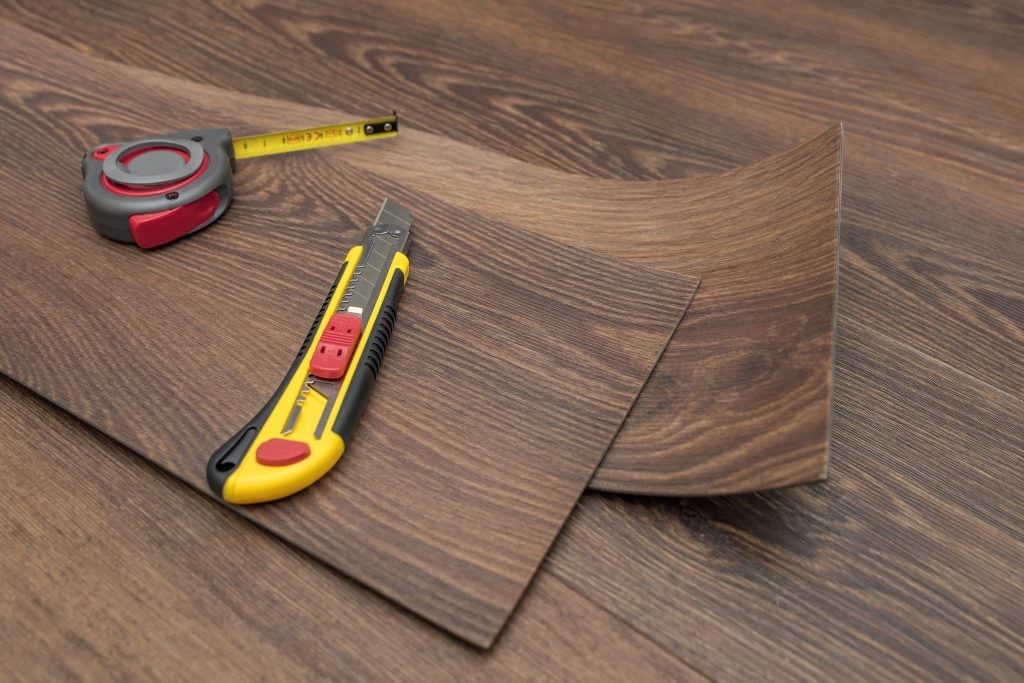
You need to weigh cost against long-term value when choosing between different types of flooring. The National Realtor Association’s 2022 Remodeling Impact Report shows that homeowners who install new wood flooring recoup 118% of the cost at resale. Hardwood flooring cost per square foot ranges from $5 to $15. Laminate sits at $2 to $5. We’ve compared 12 types of flooring materials for homes. The comparison includes durability ratings, installation costs and maintenance requirements. This piece helps you understand which floor types match your budget and lifestyle goals.
How We Ranked the Best Types of Flooring for 2026
We reviewed each flooring option based on four measurable criteria that affect homeowner satisfaction and long-term performance.
Durability and Hardness Rating
The Janka hardness test measures the force required to embed a 0.444-inch steel ball halfway into wood. This standardized measurement provides an objective way to compare how well different species withstand dents and wear. Hickory scores 1,820 on the Janka scale and is about 41% harder than red oak at 1,290. Janka ratings apply to solid wood species and offer a reliable starting point for understanding durability across different flooring materials. Engineered products and synthetic options require different methods based on wear layer thickness and construction quality.
Cost per Square Foot
Hardwood flooring ranges from $3.00 to $14.00 per square foot at retail pricing in 2026, with a median of $6.19 per square foot. Commercial pricing runs 25-30% below retail, with a median of $4.33 per square foot. Installation labor adds $8.00 to $9.00 per square foot. Freight costs have climbed to $1.50 or more. High-quality, wide plank domestically produced hardwood costs closer to $12.50 per square foot for materials. Install accessories add $2.00 to $3.00 per square foot. The total installed cost reaches $22.00 to $23.50 per square foot. Origin affects pricing: multiple origins-sourced hardwood offers the lowest median at $2.79 per square foot, while Brazilian products command $5.24 per square foot.
Maintenance Requirements
Floor maintenance depends on the flooring system itself, traffic conditions, and the type of dirt and debris exposure. Different areas require specific cleaning approaches. Public areas and foot traffic zones need neutral slip-resistant floor cleaners. Moderate to heavy service areas like loading docks or manufacturing floors require heavy-duty cleaner/degreasers. You should clean spills right away as a safety precaution and to prevent staining.
Versatility and Design Options
Room-specific requirements drive flooring selection. Moisture-prone areas like kitchens and bathrooms benefit from tile, linoleum, or luxury vinyl. Hardwood, engineered hardwood, or vinyl provide warmth underfoot for main floors spanning entryways and living rooms while handling traffic and moisture.
White Oak Hardwood Flooring

Image Source: The Fantastic Floor
White oak ranks among the most requested hardwood species in homes I’ve worked on, combining durability with design flexibility. Homeowners choose it for high-traffic areas where both performance and appearance matter.
Durability and Janka Rating
White oak scores 1,360 on the Janka hardness scale and places in the medium-low tier for hardness resistance. The rating measures force required to embed a steel ball into the wood and provides a reliable comparison for dent resistance. Sugar maple measures around 1,450 in contrast, yet white oak’s density and grain structure deliver better resistance to splitting and warping.
The closed grain contains structures called tyloses that plug wood pores and create a natural moisture barrier. This feature makes white oak more resistant to water damage than red oak. It handles everyday spills without the warping or cupping issues common in other hardwoods. The tight grain pattern also hides minor scratches and scuff marks better than open-grain species.
Cost and Installation
Material costs for white oak flooring range from $8.00 to $12.00 per square foot. Professional installation adds $3.00 to $7.00 per square foot in labor and brings total installed costs to around $13.00 to $17.00 per square foot. White oak costs more than red oak or maple due to its premium status. Staining and sealing add $3.00 to $8.00 per square foot when not included in installation.
Solid white oak requires installation over level plywood subfloors and professional expertise. The wood just needs time to adjust to your home’s humidity levels before installation to prevent warping.
Best Uses and Design Versatility
White oak works in multiple design styles. The subtle grain and neutral color palette fit Scandinavian-inspired interiors, while rustic farmhouse designs benefit from its natural texture. The wood accepts stains with flexibility and performs in natural finishes, lighter browns, and soft taupes. Light to medium matte finishes reduce everyday wear visibility.
The species suits entryways, living rooms, hallways, kitchens, and dining rooms. I recommend caution in bathrooms or laundry rooms despite its moisture resistance.
Pros and Cons
Strengths: White oak handles heavy foot traffic, pets, and dropped items. You can refinish it multiple times, and proper care extends lifespan to 75+ years. The flooring increases home resale value as buyers recognize it as high-quality material.
Drawbacks: Premium pricing exceeds other domestic hardwoods. Installation requires professional help rather than DIY approaches. The wood still reacts to humidity changes and requires environmental stability.
Hickory Hardwood Flooring
Hickory stands out as the hardest domestic hardwood I recommend to homeowners who prioritize durability above all else. The wood’s density creates installation challenges, but its performance in high-traffic homes justifies the investment.
Durability and Janka Rating
Hickory achieves a Janka hardness rating of 1,820 and ranks as the hardest domestic hardwood available for commercial use. Maple scores 1,450 while white oak reaches 1,360. This density translates to superior resistance against dents and scratches from kids, pets, and heavy foot traffic. The tight grain structure holds stains better than softer species. The surface resists water damage more than other hardwoods when sealed the right way.
Hickory floors can last for decades with the right care. The wood can be sanded and refinished multiple times. Homeowners see lifespans exceeding 100 years in installations that are managed to keep well.
Cost and Installation
Material costs range from $4.00 to $7.00 per square foot for standard grades, with premium styles pushing higher. Other sources report $6.00 to $14.00 per square foot depending on grade and finish. Professional installation adds $10.00 to $17.00 per square foot to total project costs.
The extreme hardness that makes hickory durable also complicates installation. The wood resists cutting and sanding. You need specialized tools and expertise. I’ve seen DIY attempts fail when homeowners underestimate the material’s density. Professional installers know they must adjust hickory for several days before installation. This prevents warping and gap formation later.
Best Uses and Design Versatility
Hickory excels in entryways, living rooms, kitchens, and hallways where traffic concentrates. The wood’s color variations span creamy tans to deep browns, sometimes within a single plank. This natural variation creates rustic charm but may not suit every design esthetic. The pronounced grain patterns can appear overly busy in smaller rooms or when using narrow boards.
Pros and Cons
Hickory delivers exceptional scratch resistance for active households. The wood’s natural color variations help conceal minor scuffs between cleanings. Maintenance remains minimal with regular sweeping and occasional damp mopping.
But hickory costs more than oak or maple due to limited supply. The light sapwood shows scuff marks more than darker woods. The dense grain absorbs stain unevenly without the right conditioning techniques.
Red Oak Hardwood Flooring

Image Source: Hardwoods4Less
Red oak serves as the standard measure for hardwood flooring comparisons. Its Janka rating of 1,290 establishes the baseline against which other species are measured. I’ve installed this flooring in more North American homes than any other hardwood species. We chose it because it balances performance with affordability in ways that appeal to budget-conscious homeowners.
Durability and Janka Rating
The 1,290 Janka rating positions red oak in the medium-low hardness tier. This rating sits 70 points below white oak’s 1,360 and well under hickory’s 1,820. Red oak handles everyday foot traffic well. Northern red oak maintains the 1,290 standard while Southern red oak drops to 1,060.
The open grain pattern creates visible texture but also makes scratches and low-quality finishes more noticeable. Homes with children or pets show that minor scuffs blend into the grain rather than standing out. Red oak floors last 40 to 100 years with proper care and support multiple refinishing cycles across their lifespan.
Cost and Installation
Red oak’s domestic availability keeps costs below exotic hardwoods and even white oak. Pricing breaks down as follows:
| Type | Price per Square Foot |
| Unfinished Solid Red Oak | $4.00 – $6.00 |
| Prefinished Solid Red Oak | $5.00 – $8.00 |
| Engineered Red Oak | $3.50 – $7.50 |
Professional installation adds $3.00 to $7.00 per square foot. Total costs reach $6.00 to $18.00 per square foot installed. Solid red oak requires above-grade installation in low-moisture areas. Engineered versions handle basements and radiant heat systems well.
Best Uses and Design Versatility
The warm reddish undertones and pronounced grain patterns suit traditional and transitional esthetics. Red oak accepts stains evenly and works with light finishes that brighten spaces or dark tones that add richness. The wood’s stain adaptability allows it to match existing trim or move in different esthetic directions.
Pros and Cons
Red oak delivers budget-friendly pricing and reliable availability. The wood refinishes multiple times and maintains dimensional stability in appropriate environments.
It shows dents more than white oak or hickory in high-traffic zones. The open grain reveals imperfections, and the species lacks the water resistance found in white oak.
Maple Hardwood Flooring
Bowling alleys and gymnasium floors share a common material: hard maple flooring. With its 1,450 Janka rating, this domestic hardwood handles extreme impact better than many homeowners realize. This makes it a practical choice for active households where dropped items and constant foot traffic define daily life.
Durability and Janka Rating
Hard maple scores 1,450 on the Janka hardness scale. This positions it above red oak’s 1,290 and white oak’s 1,360, yet below hickory’s 1,820. The density reaches about 44 pounds per cubic foot and contributes to exceptional resistance against dents from furniture and dropped objects. While durable against impact, the smooth surface and light color make scratches stand out. The tight grain structure resists moisture damage better than open-grain species. Maple remains sensitive to humidity fluctuations that cause warping or splitting.
Cost and Installation
Installation costs for maple flooring start at $13.74 to $17.44 per square foot in January 2026. Material pricing ranges from $4.00 to $8.00 per square foot, with broader estimates placing it between $6.00 and $14.00 depending on grade and finish. The dense wood challenges cutting and sanding equipment. Professional installation expertise is required rather than DIY approaches.
Best Uses and Design Versatility
The pale cream to soft golden hue reflects light well and makes rooms appear larger and brighter. This characteristic works especially well in minimalist and contemporary designs. The subtle grain pattern provides a neutral backdrop rather than competing with furniture or decor. Maple performs best in living rooms, hallways, and kitchens where traffic concentrates.
Pros and Cons
Strengths: Maple resists dents well and maintains dimensional stability when humidity stays controlled. It costs less than exotic hardwoods. The sustainable sourcing from fast-growing North American forests reduces environmental effect.
Drawbacks: The tight grain absorbs stain unevenly and creates splotchy appearances without proper conditioning. Scratches stand out on the light surface. Exposure to direct sunlight causes yellowing over time.
Walnut Hardwood Flooring

Image Source: Hardwoods4Less
American Black Walnut commands premium prices in flooring projects I’ve managed, not because it outperforms other species in durability, but because clients prioritize atmosphere and timeless appeal over raw toughness. The deep chocolate brown hues and straight grain create a visual statement that lighter domestic woods can’t match.
Durability and Janka Rating
Walnut registers around 1,010 on the Janka hardness scale. This places it below white oak at 1,360 and far under hickory’s 1,820. This softer profile makes walnut more susceptible to dents from dropped objects, pet claws, and furniture without protective pads. Despite its moderate hardness, walnut expands and contracts less than many other hardwoods. This makes it suitable for wide plank installations and rooms with temperature fluctuations.
The wood resists insect infestation, rot, water damage, and mold. Walnut floors last 40 to 60+ years with proper care and refinishing. High-traffic spaces benefit from engineered walnut with tougher finishes.
Cost and Installation
Material costs range from $9.00 to over $30.00 per square foot. Professional installation brings total costs to $12.00 to $19.00 per square foot. The premium reflects walnut’s desirability and rich appearance. DIY installation remains an option for experienced woodworkers. Professional installers protect the investment by using appropriate methods like gluing, nailing, or floating planks.
Best Uses and Design Versatility
Walnut works best in moderate-traffic areas such as bedrooms, home offices, and formal living rooms. The deep brown tones can make compact spaces feel smaller by absorbing rather than reflecting light. Balancing dark floors with light-colored walls and layered lighting keeps rooms feeling open.
Rift or quarter sawn cuts boost stability and reduce visual variation. Engineered walnut performs better than solid planks for radiant heat or concrete subfloors. Low-sheen or matte oil finishes enhance grain depth while hiding minor wear.
Pros and Cons
Walnut boosts home resale value, with quality hardwood floors adding 2.5% to property values. The wood lightens with sunlight exposure and creates consistent color over time. Walnut’s dimensional stability prevents warping in varied climates.
Dark surfaces show dirty footprints and pet hair more readily, though. Lighter stains don’t sit well on walnut’s dark base and limit finish options.
Engineered Wood Flooring

Image Source: The Spruce
Layered construction separates engineered wood from the solid hardwood species I’ve covered so far. This flooring consists of a thin hardwood veneer bonded to multiple plywood or high-density fiberboard layers arranged in a cross-grain pattern. The design addresses the expansion and contraction issues that limit solid wood installations in certain rooms.
Durability and Construction
The cross-grain configuration minimizes wood movement from humidity changes. Plywood cores provide stability and strength, while HDF cores deliver greater impact and moisture resistance. The top wear layer determines refinishing potential. Veneers 3mm or thicker can be sanded down to refresh the floor. Thinner 1mm layers limit this option though. Factory-applied finishes like aluminum oxide or UV-cured polyurethane protect against scratches and stains. Proper maintenance helps engineered wood last 20 to 30 years. High-quality products can reach 50+ years.
Cost and Installation
Material costs range from $2.50 to $10.00 per square foot and average around $5.00. Total installed costs span $6.40 to $12.79 per square foot. The floating installation method remains most common for DIY projects and requires no nails or gluing. Professional installation suits glue-down or nail-down methods, especially when you have concrete subfloors.
Best Uses and Design Versatility
Engineered wood handles moisture and temperature fluctuation better than solid hardwood. I recommend it for kitchens, basements, and entryways in temperature-controlled spaces. The material works over concrete slabs and radiant heat systems where solid wood fails. Available in oak, maple, hickory, and exotic species, engineered wood accepts herringbone or chevron patterns.
Pros and Cons
The cost savings compared to solid hardwood appeal to budget-conscious homeowners. Stability in variable humidity environments prevents warping. The material uses less slow-growth timber, which makes it more sustainable.
But thin veneers cannot be refinished. Water resistance doesn’t mean waterproof—prolonged moisture exposure causes damage. The fiberboard cores in cheaper products compromise stability.
Laminate Flooring

Image Source: HomeGuide
Synthetic composite construction defines laminate’s position among different types of flooring materials. Laminate uses a photographic image layer beneath a protective resin coating to replicate hardwood, stone, or tile appearances, unlike the wood veneer in engineered products.
Durability and Wear Layer
The AC rating system measures laminate’s resistance to abrasion, impact, staining, and fading. Ratings span AC1 through AC5. AC3 handles heavy residential or moderate commercial use, AC4 covers general commercial applications, and AC5 is built for heavy commercial traffic. The wear layer contains aluminum oxide particles that provide scratch resistance. Higher AC ratings feature thicker, more resilient aluminum oxide layers and offer superior protection. To cite an instance, AC3 laminate costs $2.00 to $3.50 per square foot, while AC4/AC5 reaches $3.50 to $5.00.
Cost and Installation
Material costs range from $1.00 to $5.00 per square foot. Total installed costs span $3.00 to $13.00 per square foot with labor. Click-lock systems enable DIY installation without glue or nails, though complex spaces with heating registers or stairs just need professional expertise.
Best Uses and Design Versatility
Laminate handles entryways, hallways, and kitchens well. Water-resistant versions suit laundry rooms when spills receive prompt attention. Design options include herringbone, chevron, and basket weave patterns, with finishes ranging from high-gloss to matte.
Pros and Cons
Laminate resists scratches and stains well. Maintenance requires sweeping and damp mopping. The material cannot be sanded or refinished, however, and excessive water exposure causes irreversible warping.
Luxury Vinyl Tile (LVT) and Vinyl Flooring

Image Source: 50 Floor
Multi-layered construction distinguishes luxury vinyl from the synthetic options I’ve discussed. The flooring stacks a protective wear layer over a photographic design layer, bonded to a waterproof core—either WPC (wood plastic composite) or SPC (stone plastic composite). These cores don’t absorb water and prevent the swelling, warping, or bubbling that damages other flooring materials.
Durability and Water Resistance
LVT achieves 100% waterproof status, not merely water-resistant. The wear layer forms a waterproof barrier using urethane or improved polyurethane materials. I recommend wear layers of at least 20 mils thickness for kitchens or bathrooms to protect against scratches and dents. The interlocking installation system creates tight seams that block water penetration. Quality LVT lasts 15 to 25 years with proper care.
Cost and Installation
Material costs range from $2.00 to $7.00 per square foot. Professional installation adds $2.00 to $5.00 per square foot. Click-lock systems make DIY projects easier, though subfloor preparation is critical because vinyl adapts to underlying surface irregularities.
Best Uses and Design Versatility
The waterproof nature suits kitchens, bathrooms, basements, and laundry rooms. Designs copy oak, hickory, walnut, marble, and slate appearances. Wide planks create modern esthetics. Integrated grout lines on tile formats eliminate actual grouting.
Pros and Cons
LVT offers pet-friendly durability and simple maintenance with sweeping and mopping. It’s more comfortable than ceramic tile. But direct sunlight causes fading, wet surfaces become slippery, and the material isn’t biodegradable.
Bamboo Flooring
Grass-based construction distinguishes bamboo from the wood species covered earlier, though manufacturers process it into planks that install the same way as traditional hardwood. Homeowners selecting bamboo get an eco-friendly alternative that reaches harvest maturity in 3 to 5 years. This contrasts with hardwoods requiring decades of growth.
Durability and Janka Rating
Strand woven bamboo achieves Janka ratings between 3,800 and 5,000. This makes it 2 to 3 times harder than oak and maple. The manufacturing process tears bamboo strands apart and fuses them using intense heat and pressure. Some premium products reach 5,547 on the Janka scale. Standard vertical and horizontal bamboo formats score lower at 6.2kN (about 1,393 lbs), comparable to oak.
Cost and Installation
Material costs range from $2.00 to $10.00 per square foot. Installed costs span $6.80 to $11.34 per square foot in January 2026. Installation methods include floating, gluing, or nailing to subfloors.
Best Uses and Design Versatility
Bamboo suits living rooms and kitchens but should not be used in bathrooms or areas with excessive water exposure. You can choose from finishes like smooth and hand-scraped surfaces.
Pros and Cons
Bamboo resists scratches, pets, and heavy traffic. But it absorbs moisture from standing water, and surface scratches occur if objects drag across it.
Cork Flooring

Image Source: HomeGuide
Millions of air-filled cells within cork’s cellular structure create a springy, cushion-like surface that reduces strain on feet, joints, and back. This unique composition sets cork apart from harder types of flooring materials I’ve recommended for high-traffic zones.
Durability and Comfort
The natural elasticity provides shock absorption that protects dropped dishes and cushions falls in homes with children. Cork contains suberin, a substance that resists moisture, mold, and mildew. Proper sealing and maintenance help cork last 10 to 30 years or more, and some floors reach 40+ years. But the soft material dimples under heavy furniture and scratches from pet claws.
Cost and Installation
Material costs range from $3.00 to $8.00 per square foot. Total installed costs span $5.00 to $15.00 per square foot. January 2026 estimates place installation at $6.91 to $9.88. Glue-down tiles require professional installation, while floating planks enable DIY projects.
Best Uses and Design Versatility
Cork suits kitchens, bedrooms, living rooms, and playrooms. The thermal insulation keeps floors warm. Soundproofing qualities reduce noise in multi-level homes. Cork comes in various colors and patterns and complements rustic to contemporary designs.
Pros and Cons
Cork has eco-friendly harvesting, hypoallergenic properties, and comfort underfoot. It fades in direct sunlight and absorbs water without proper sealing. Scratches show more on cork than on hardwood.
Tile Flooring (Ceramic and Porcelain)
Clay-based manufacturing connects ceramic and porcelain tiles, yet their performance is different in ways that affect satisfaction over time. Porcelain uses finer clay particles fired at higher temperatures and creates a denser, less porous material than standard ceramic tile. This production method achieves water absorption rates below 0.5% and qualifies porcelain as impervious by ANSI standards. Ceramic absorbs 3% to 7% moisture.
Durability and Water Resistance
The PEI rating measures tile hardness and durability on a 0 to 5 scale. Ceramic suitable for walls rates 0 to 2, while residential floors need PEI 3. Porcelain gets PEI 5 ratings and handles high-traffic commercial applications. The density makes porcelain more resistant to scratches, chips and moisture penetration than ceramic. Proper installation supports 50+ year lifespans. But the extreme hardness creates brittleness and makes porcelain more susceptible to cracking than standard ceramic tiles.
Cost and Installation
| Tile Type | Material Cost per Sq Ft | Total Installed Cost per Sq Ft |
| Ceramic (glazed) | $3.00 – $15.00 | $13.50 – $83.00 |
| Porcelain | $5.00 – $25.00 | $15.00 – $50.00 |
Professional installation adds $10.00 to $30.00 per square foot for labor. The dense material needs specialized saws for precise cuts, and the heavy weight may need subfloor reinforcement in upper stories. Patient DIYers can save 50% or more on installation costs, though the work is hard and demands time with proper equipment.
Best Uses and Design Versatility
Porcelain excels in bathrooms, kitchens and outdoor spaces where water exposure happens often. Modern manufacturing makes convincing copies of marble, granite, wood, steel or cork appearances. Large-format tiles create spacious feelings in rooms, and decorative mosaics add focal points to entryways.
Pros and Cons
Strengths: Exceptional durability, water and stain resistance, many design options, decades-long lifespan with minimal maintenance.
Drawbacks: Cold and hard underfoot, slippery when wet, heavy weight limits applications, grout lines need periodic sealing despite the tile’s imperviousness.
Comparing Types of Flooring: Cost, Durability, and Maintenance
Hardwood Flooring Cost per Square Foot Overview
Installation budgets in 2026 span USD 6.00 to USD 15.00 per square foot for most residential projects. Homeowners who install wood flooring typically spend between USD 7.00 and USD 11.00 per square foot. Solid hardwood materials cost USD 3.50 to USD 10.00 per square foot. Labor adds USD 3.00 to USD 5.00. Engineered hardwood runs USD 3.00 to USD 8.00 for materials and USD 2.00 to USD 4.00 for installation. Total costs reach USD 5.00 to USD 12.00 installed.
The cost difference narrows at the premium end. High-quality engineered floors with thick veneers (4mm+) cost almost as much as mid-range solid hardwood and provide better installation versatility.
Different Types of Flooring Materials by Room
Kitchens just need waterproof options. Luxury vinyl plank handles spills and cleaning well. Tile resists moisture and heat. Engineered hardwood performs better than solid wood when you clean up spills right away.
Bathrooms just need tile or luxury vinyl plank for constant moisture exposure. Basements benefit from luxury vinyl or tile because of humidity concerns. Living rooms and dining rooms suit hardwood or luxury vinyl.
When to Choose Solid vs Engineered Options
Below-grade installations or concrete slabs just need engineered flooring because of stability and moisture resistance. Humid regions favor engineered construction. Solid hardwood allows four to six refinishings. Engineered limits you to two, and veneer thickness determines this number.
Flooring Comparison Table: Cost, Durability & Performance
| Flooring Type | Janka Hardness Rating | Material Cost (per sq ft) | Total Installed Cost (per sq ft) | Expected Lifespan | Water Resistance | Best Room Applications | Refinishing Capability | Key Advantages | Key Drawbacks |
| White Oak Hardwood | 1,360 | $8.00 – $12.00 | $13.00 – $17.00 | 75+ years | Good (closed grain with tyloses) | Entryways, living rooms, hallways, kitchens, dining rooms | Multiple times | Outstanding durability, hides scratches well, increases resale value, accepts stains with flexibility | Premium pricing, requires professional installation, reacts to humidity changes |
| Hickory Hardwood | 1,820 (hardest domestic) | $4.00 – $14.00 | $14.00 – $31.00 | 100+ years | Good when sealed | Entryways, living rooms, kitchens, hallways | Multiple times | Outstanding scratch resistance, superior dent resistance, natural color variation hides scuffs | Higher cost, difficult DIY installation, light sapwood shows marks, uneven stain absorption |
| Red Oak Hardwood | 1,290 (industry baseline) | $3.50 – $8.00 | $6.00 – $18.00 | 40 – 100 years | Moderate (open grain) | Traditional, transitional, farmhouse-style rooms | Multiple times (4-6 refinishings) | Budget-friendly, accessible to more people, accepts stains evenly, easy workability | Shows dents more readily, open grain reveals imperfections, nowhere near as water resistant as white oak |
| Maple Hardwood | 1,450 | $4.00 – $14.00 | $13.74 – $17.44 | Not specified | Good (tight grain) | Living rooms, hallways, kitchens | Limited (uneven stain absorption) | Outstanding dent resistance, light color brightens rooms, sustainable sourcing | Scratches are visible, uneven stain absorption, yellows with sunlight exposure |
| Walnut Hardwood | 1,010 | $9.00 – $30.00+ | $12.00 – $19.00 | 40 – 60+ years | Outstanding (resists rot, mold, water damage) | Bedrooms, home offices, formal living rooms (moderate traffic) | Multiple times | Premium appearance, dimensional stability, increases resale value (2.5%), resists insects | Premium pricing, more susceptible to dents, shows dirt and pet hair readily, limited stain options |
| Engineered Wood | Varies by veneer species | $2.50 – $10.00 | $6.40 – $12.79 | 20 – 50+ years | Good (cross-grain construction) | Kitchens, basements, entryways, over concrete/radiant heat | Limited (depends on veneer thickness: 3mm+ can be sanded) | Handles moisture and temperature changes, works over concrete, lower cost than solid wood | Thin veneers can’t be refinished, not waterproof, cheaper cores compromise stability |
| Laminate Flooring | AC3-AC5 rating system | $1.00 – $5.00 | $3.00 – $13.00 | Not specified | Water-resistant (not waterproof) | Entryways, hallways, kitchens, laundry rooms (with prompt spill cleanup) | Cannot be refinished | Scratch and stain resistant, easy DIY installation, low maintenance | Cannot be sanded or refinished, warps with too much water, synthetic material |
| Luxury Vinyl (LVT) | N/A (wear layer: 20+ mils recommended) | $2.00 – $7.00 | $4.00 – $12.00 | 15 – 25 years | 100% waterproof | Kitchens, bathrooms, basements, laundry rooms | Cannot be refinished | Waterproof, pet-friendly, comfortable underfoot, easy maintenance | Fades in sunlight, slippery when wet, not biodegradable |
| Bamboo Flooring | 1,393 – 5,547 (strand woven: 3,800 – 5,000) | $2.00 – $10.00 | $6.80 – $11.34 | Not specified | Moderate (absorbs moisture with standing water) | Living rooms, kitchens, hallways (not bathrooms) | Not specified | Eco-friendly (3-5 year harvest), very hard (strand woven), scratch resistant | Absorbs moisture, surface scratches possible, grass-based (not true wood) |
| Cork Flooring | N/A (soft, cushioned material) | $3.00 – $8.00 | $5.00 – $15.00 | 10 – 40+ years | Good (contains suberin) when sealed | Kitchens, bedrooms, living rooms, playrooms | Not specified | Comfortable underfoot, thermal insulation, soundproofing, eco-friendly, hypoallergenic | Dimples under heavy furniture, scratches from pets, fades in sunlight, requires sealing |
| Ceramic Tile | PEI 0-3 rating | $3.00 – $15.00 | $13.50 – $83.00 | 50+ years | Moderate (3-7% absorption) | Bathrooms, kitchens, entryways | Cannot be refinished | Durable, wide range of design options, long lifespan | Cold and hard underfoot, slippery when wet, grout requires sealing |
| Porcelain Tile | PEI 5 rating (typically) | $5.00 – $25.00 | $15.00 – $50.00 | 50+ years | Outstanding (<0.5% absorption – impervious) | Bathrooms, kitchens, outdoor spaces, high-traffic areas | Cannot be refinished | Outstanding durability, water and stain resistant, handles commercial traffic | Cold and hard underfoot, slippery when wet, heavy weight, requires specialized cutting tools |
Key Decision Factors for Homeowners
High-Traffic Areas: Hickory (1,820 Janka), strand woven bamboo (3,800-5,000), and porcelain tile (PEI 5) offer superior durability.
Moisture-Prone Rooms: Luxury vinyl (100% waterproof), porcelain tile (<0.5% absorption), and engineered wood provide the best protection.
Budget-Conscious Projects: Laminate ($3.00-$13.00 installed) and red oak ($6.00-$18.00 installed) deliver the lowest total costs.
Maximum Refinishing Potential: Solid hardwoods (red oak, white oak, hickory) support 4-6 refinishings over their lifespan.
DIY Installation: Laminate and luxury vinyl with click-lock systems enable easy homeowner installation without specialized tools.
Resale Value: Solid hardwood flooring recoups 118% of cost at resale. Walnut adds 2.5% to property values.
Conclusion
Selecting the right flooring depends on your specific situation. Hickory’s 1,820 Janka rating makes sense for high-traffic homes. Luxury vinyl’s waterproof construction solves moisture problems in kitchens and bathrooms. Budget constraints might point you toward laminate or red oak, whereas resale value considerations favor solid hardwood species.
Homeowners who match flooring characteristics to their actual needs avoid pricey mistakes. Engineered wood works over concrete slabs. Cork fits playrooms where comfort matters most. Identify your main concern first—durability, moisture resistance, or cost—then narrow your options from there.
FAQs
Q1. What are the most popular wood flooring trends for 2026? While specific trends evolve, homeowners in 2026 continue prioritizing durability and design versatility. White oak remains highly requested for its neutral tones and closed grain structure, while hickory appeals to those seeking maximum hardness. Wide plank formats and matte finishes are gaining popularity across multiple species as they hide everyday wear more effectively than glossy surfaces.
Q2. Which flooring option offers the best balance of affordability and durability? Vinyl flooring, particularly luxury vinyl tile (LVT), provides excellent durability at budget-friendly prices ranging from $2.00 to $7.00 per square foot for materials. It’s 100% waterproof, resists scratches and stains, and installs easily with click-lock systems. For those preferring natural materials, red oak hardwood offers solid performance at $6.00 to $18.00 installed while supporting multiple refinishings over its 40-100 year lifespan.
Q3. What is the rule of 3 in flooring design? The rule of 3 suggests limiting your home to no more than three different flooring types to maintain visual harmony throughout the space. This design principle prevents a disjointed appearance and creates intentional transitions between rooms. For example, you might use hardwood in living areas, tile in bathrooms, and luxury vinyl in the kitchen while avoiding additional materials that could make the home feel chaotic.
Q4. How much does it cost to install hardwood flooring in a 1,000 square foot area? For 1,000 square feet of hardwood flooring, expect total costs between $6,000 and $18,000 depending on the species and installation method. Red oak typically costs $6.00-$18.00 per square foot installed, while premium options like white oak run $13.00-$17.00 per square foot. This includes both materials ($3.00-$12.00 per square foot) and professional installation labor ($3.00-$9.00 per square foot).
Q5. Can engineered wood flooring be refinished like solid hardwood? Engineered wood’s refinishing capability depends entirely on the thickness of its top veneer layer. Planks with veneers of 3mm or thicker can typically be sanded and refinished, though usually only 1-2 times compared to solid hardwood’s 4-6 refinishings. Engineered products with thin 1mm wear layers cannot be refinished at all, making veneer thickness a critical consideration when selecting this flooring type.