Your floor sticky after mopping? You’re not the only one dealing with this frustrating problem.
Most floor cleaners contain surfactants that leave a microscopic film behind, surprisingly. Combine that with common mistakes like using too much cleaner or mopping with dirty water, and you end up with floors that feel worse than before you started.
The good news? Sticky floors after mopping are fixable. This piece shows you why your floor gets sticky after mopping, how to strip away the buildup and what cleaning methods prevent the problem.
Why Is My Floor Sticky After Mopping

Image Source: Yocada
Using Too Much Cleaning Solution
Homeowners often assume more cleaner equals better results. The opposite happens. Pour too much cleaning solution into your mop bucket and there isn’t enough water to rinse away the surfactants. These surfactants are designed to break down grease and leave fragrance behind, but they don’t evaporate. Instead, they stay on the surface and dry into a thin film that attracts dirt faster after cleaning. The result? A tacky layer that grabs every speck of dust.
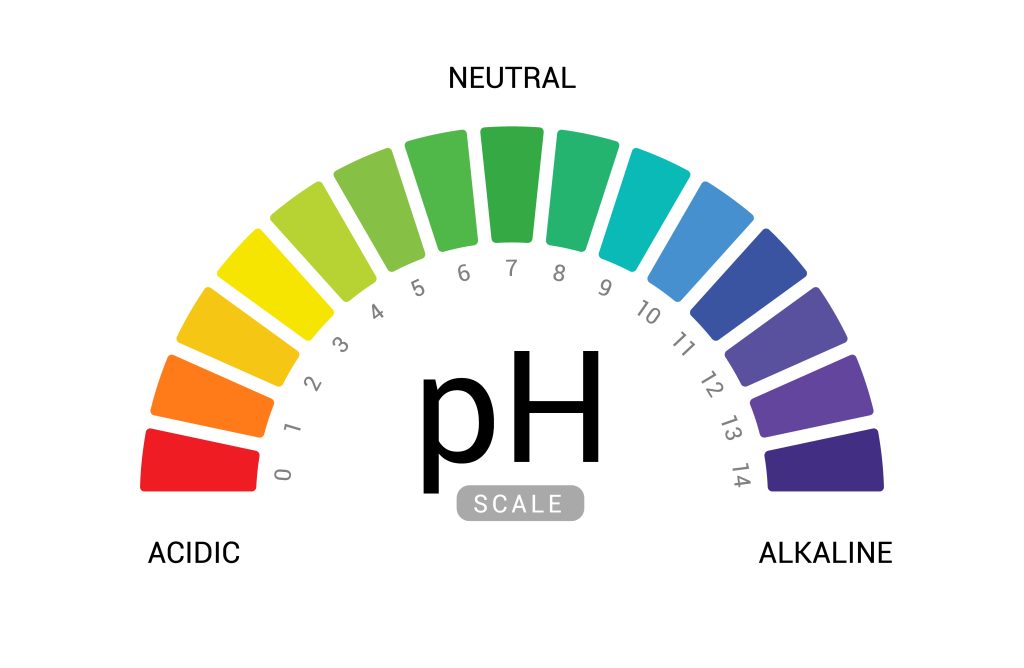
Cleaning experts recommend 1/8 cup of strong cleaner per bucket. Alkaline cleaners with a pH of 8 or higher are especially problematic because they leave behind sticky residue. Bleach-based cleaners have a pH of 11-13. They fall into this category and often cause the worst buildup.
Dirty Mop Water Spreading Residue
Your mop water turns cloudy and you’re no longer cleaning. You’re redistributing grime. Each dip of the mop reintroduces dirt that’s already been lifted from other parts of the floor. Mopping becomes a controlled redistribution of contamination rather than a removal process. Mops can only pick up surface-level dirt, and only as much as the fibers can hold. The rest gets spread around and leaves you with floors that feel worse than before you started.
Wrong Floor Cleaner for Your Floor Type
Murphy Oil Soap on tile or laminate causes residue buildup because it’s developed for hardwood. Marble and tile cleaners damage hardwood floors. Chemical solutions from stores contain harsh ingredients that erode protective barriers on grout and flooring. Oil-based soaps and heavy all-purpose cleaners coat surfaces with residue that doesn’t rinse off easily.
Not Rinsing Properly After Mopping
The final rinse step gets skipped and cleaner residue dries on the surface. This residue feels sticky and acts like a magnet to dust and footprints. Leftover soap and minerals remain on the floor without a rinse pass that uses clean water and a fresh mop head. Professional floor cleaning works because it lifts soil out of the surface, rinses away residue and removes old chemical buildup.
Hard Water Leaving Mineral Deposits
About 85% of the US has hard water that contains high concentrations of dissolved minerals like calcium and magnesium. These minerals leave residue on everything they touch, including floors. Floors dry and minerals remain while soap film settles. This causes streaks and haze. The chalky deposits from hard water combine with cleaning solution residue to create a stubborn sticky coating.
How to Fix Sticky Floors After Mopping

Image Source: Manywell
Fixing sticky floors requires a systematic approach that addresses residue buildup from the surface up.
Step 1: Remove Loose Dirt and Debris
Vacuum or sweep the entire floor before you introduce any moisture. If you skip this step, dry dirt turns into a muddy slurry that your mop spreads around. This creates streaks and adds to the sticky film. Use a vacuum with soft bristles and work from the farthest point toward the door in straight, overlapping rows. Empty the canister when it reaches two-thirds full so you can maintain suction power.
Step 2: Strip Old Residue with Vinegar Solution
Mix 1 cup of white vinegar per gallon of warm water. The natural acidity neutralizes and breaks down alkaline soap residue that previous cleaners left behind. Mop your entire floor with this solution and work in small sections. For heavy buildup, repeat this step. The vinegar solution cuts through dirt and grime. It leaves a streak-free surface.
Step 3: Use the Two-Bucket Mopping Method
Fill one bucket with cleaning solution and warm water. Fill a second bucket with plain rinse water. Dip your mop in the cleaning solution and mop a small section. Then rinse the dirty mop in the plain water bucket. Wring it out before you return to the cleaning solution. This prevents you from putting dirty water back on clean floors.
Step 4: Rinse with Clean Water
Rinse the floor with clean water once you finish mopping with the cleaning solution. This removes any residue that remains. Cleaner residue attracts dirt and creates sticky surfaces. Rinse until the water runs clear.
Step 5: Dry the Floor Properly
Wring your mop before each pass so it’s damp, not dripping. Open windows or use fans so you can increase air circulation, which can cut drying time in half. Floors that are cleaned properly should dry within a few minutes.
Best Cleaning Solutions for Different Floor Types

Image Source: Really Cheap Floors
Selecting the best cleaning solution for sticky floors depends entirely on your flooring material. Each floor type has a protective layer that reacts differently to cleaners.
Cleaning Solution for Hardwood Floors
Pair pH-neutral floor cleaners with a damp mop. Bona Hardwood Floor Cleaner received perfect marks in testing. It removes stains without leaving residue. Mr. Clean Finished Floor Cleaner works when diluted with water. Avoid cleaners containing bleach or ammonia, as these strip the protective coating. Stay away from acidic substances like distilled white vinegar, which can pit or etch the finish. Never use water or steam cleaners. Moisture damages wood and voids warranties.
Cleaning Solution for Tile and Vinyl Floors
Mix 1/4 cup distilled white vinegar per gallon of warm water for ceramic and porcelain tile. Vinyl floors require pH-neutral cleaners or a white vinegar solution (1 cup per gallon). Avoid wax-based cleaners and oil-based soaps on vinyl, as these dull the finish and leave sticky films.
Cleaning Solution for Laminate Floors
Use pH-neutral, laminate-specific cleaners that dry quickly. Black Diamond and Quick Shine Floor Cleaner work on laminate. A vinegar solution (1 cup per gallon) works occasionally, but avoid frequent use. Never use excessive water, wax-based cleaners, or oil-based soaps.
What to Avoid on Natural Stone Floors
Natural stone requires pH-neutral cleaners only. Acidic cleaners like vinegar and lemon juice etch the surface. Avoid abrasive cleaners and bleach, which damage stone surfaces.
How to Prevent Sticky Floors After Mopping
Prevention begins when you adjust your cleaning routine based on what causes the problem.
Use the Right Amount of Cleaner
Check the dilution ratio on your cleaner’s label. A capful in a gallon of water works well. Start with a 1% concentration for moderate cleaning with concentrated cleaners, then drop to 0.5% for routine maintenance. One gallon of diluted solution covers approximately 400 square feet of non-porous surfaces. Your rinse water can’t remove the residue that excess cleaner leaves behind.
Change Your Mop Water Regularly
Replace your mop water every 100 to 200 square feet. Change it right away when water turns cloudy or stained. Dirty water spreads contaminants rather than removes them.
Keep Your Mop Clean Between Uses
Wash microfiber mop pads after each use without fabric softener. Rinse the mop head well, wring out excess water and hang it head-up to dry before storing. A dirty mop spreads old residue the moment it touches your floor.
Choose a pH-Neutral Floor Cleaner
pH-neutral cleaners maintain a pH level of 7. They protect sensitive flooring materials and leave no residue behind. These cleaners work on hardwood, tile, laminate and natural stone.
Use Distilled Water if You Have Hard Water
Distilled water contains no minerals that create deposits or streaks. It prevents chemical reactions between minerals and cleaning products, eliminates residue buildup and prolongs the life of cleaning equipment.
Conclusion
You now have everything needed to eliminate sticky floors and keep them clean long-term. The problem comes down to residue buildup from excess cleaner, dirty mop water, and skipped rinse steps. Fixing it requires stripping the old film with vinegar and using the two-bucket method. Always rinse really well. From here on, measure your cleaner correctly and change water often. Match products to your floor type. Your floors will stay clean without that tackiness.
Key Takeaways
Sticky floors after mopping are usually caused by too much cleaning solution, dirty mop water, or skipped rinse steps that leave residue behind.
- Strip existing buildup using 1 cup white vinegar per gallon of warm water to neutralize alkaline soap residue
- Use the two-bucket method: one for cleaning solution, one for rinsing your mop between sections
- Always rinse floors with clean water after mopping to remove all cleaner residue completely
- Match cleaners to your floor type: pH-neutral for hardwood, vinegar solutions for tile/vinyl
- Measure cleaner correctly (typically 1 capful per gallon) and change mop water every 100-200 square feet
The key to preventing sticky floors is using less cleaner than you think you need, keeping your mop water clean, and never skipping the final rinse step. When done properly, floors should dry quickly without any tacky residue that attracts dirt.
FAQs
Q1. Why do my floors feel sticky even after I’ve just mopped them? Sticky floors after mopping are typically caused by using too much cleaning solution, which leaves behind a residue that doesn’t fully evaporate. Other common causes include mopping with dirty water that spreads grime around, skipping the rinse step, or using the wrong type of cleaner for your specific floor material. Hard water can also leave mineral deposits that contribute to the sticky feeling.
Q2. What’s the best homemade solution to remove sticky residue from floors? Mix 1 cup of white vinegar per gallon of warm water to effectively remove sticky buildup. The natural acidity of vinegar neutralizes alkaline soap residue left behind by previous cleaners. For heavy buildup, you may need to repeat the process. This solution works well on most floor types and leaves a streak-free surface.
Q3. Does Pine-Sol leave floors sticky after mopping? Pine-Sol All Purpose Cleaner is designed to leave no sticky residue when used properly on most hard, non-porous surfaces like finished hardwood, ceramic tile, linoleum, and plastic. However, using too much of any cleaner, including Pine-Sol, or failing to rinse properly can still result in sticky floors.
Q4. How can I prevent my floors from becoming sticky after cleaning? Use the correct amount of cleaner (typically just a capful per gallon of water), change your mop water every 100-200 square feet, and always rinse floors with clean water after mopping. Choose a pH-neutral floor cleaner appropriate for your floor type, and if you have hard water, consider using distilled water to prevent mineral deposits.
Q5. Can I just rinse my sticky floors with water to fix the problem? Yes, rinsing with plain water can help remove sticky residue. Simply attach a damp rag or towel to your mop or Swiffer and go over the sticky areas. This quick rinse removes leftover cleaning solution without requiring additional products. For stubborn buildup, use a vinegar solution first, then follow with a plain water rinse.