Homeowners spend an average of almost $4,500 to install their hardwood floors. That’s a major investment, and here’s the reality: all hardwood flooring scratches.
Protecting wood floors from scratches isn’t complicated, but it requires consistent habits and the right strategies. We’ve worked with many homeowners who learned this the hard way after watching their beautiful floors get damaged by furniture, pets and everyday traffic.
This piece will show you how to protect hardwood floors from scratches using daily prevention methods, furniture protection techniques and long-term maintenance strategies. You’ll learn practical steps that work in real homes.
Why Wood Floors Scratch and Why Prevention Matters

Image Source: Checkatrade
Common Causes of Scratches on Wood Floors
Furniture dragging creates most scratches homeowners see on their floors. Dining chairs pushed in and out multiple times daily, bar stools, and office chairs with plastic wheels act as silent saboteurs. Pet claws cause damage by a lot, especially when dogs race across floors or try to gain traction on smooth surfaces. Untrimmed nails don’t just leave surface marks. They can gouge the wood.
Shoes bring in another threat. High heels, cleats, and work boots scratch floors, but the bigger problem is dirt and grit stuck to shoe soles. These particles act like sandpaper on your floor’s finish. Every step grinds them into the surface and wears down the protective coating. Objects dropped in kitchens (cast iron pans, heavy cans, kitchen utensils) leave dents and scratches that catch your fingernail when you run it across the surface.
The Real Cost of Floor Damage
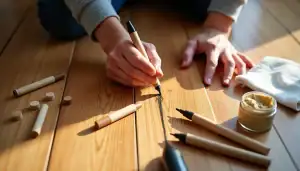
Scratch repairs cost between $1 and $8 per square foot, while individual scratches run $25 to $100 each. Minor surface scratches need only wood stain or touch-up markers. Deeper gouges require sanding and refinishing the area. Dented floors from dropped items or heavy furniture cost $5 to $25 per square foot to repair.
These costs add up quickly in high-traffic areas. Homeowners often spend between $482 and $1,708 on repairs. Extensive damage requires complete refinishing that can reach $2,000.
Types of Wood Flooring and Their Scratch Resistance
Scratch resistance depends on two factors: the wood species and the finish technology. The Janka Hardness Scale measures a wood’s strength. It presses a steel ball into the wood until halfway embedded. Higher ratings mean better scratch resistance.
Hickory rates 1,820 on the Janka scale and resists dents and scratches well. Maple scores 1,450 and gets used in basketball courts because of its durability. White oak provides solid scratch resistance at 1,360. Brazilian cherry, an exotic option, reaches 2,350 and is by a lot harder than domestic woods.
Engineered hardwood with aluminum oxide finish offers superior scratch resistance compared to standard polyurethane. The protective finish shields the wood surface from everyday wear. A thicker wear layer (at least 2-4 millimeters) provides added protection and allows multiple refinishing opportunities.
Daily Prevention Methods That Stop Scratches Before They Start
Simple daily habits prevent most scratches on wood floors. These methods take minutes but save hundreds in repair costs.
Remove Shoes at the Door
Shoes track in 80% of all dirt and grime that enters your home. That dirt contains particles that scratch wood floors the same way sandpaper does. High heels cause direct damage, especially when they’ve lost their protective padding. Cleats and work boots create similar problems.
Set up a designated shoe storage area near your entrance. Keep slippers or house shoes available for guests who feel uncomfortable going barefoot. A simple reminder sign helps visitors understand your floor protection policy.
Clean Your Floors the Right Way
Dirt and debris on your floor increase damage from foot traffic. Pet hair combines with outdoor grit to create an abrasive layer that wears down your floor’s finish.
Sweep or vacuum every few days in normal-traffic homes. Homes with pets or children need daily cleaning. Use a vacuum with a bare-floor setting so the brush doesn’t spin and add scratches. Soft-bristle brooms work well for quick cleanups. Microfiber dust mops trap particles without pushing them around.
Use Door Mats Inside and Outside
Place mats both outside and inside exterior doors. Outdoor rubber scraper mats remove mud and stones. Indoor absorbent mats catch moisture and remaining dirt particles.
Larger mats perform better. Each foot should step on the mat two or three times to remove maximum dirt. The 15-foot rule suggests using 15 feet of matting total to capture optimal dirt and moisture.
Manage Pet Traffic and Nail Care
Trim your dog’s nails every three to six weeks. Long nails scratch floors when dogs run or turn corners trying to gain traction. If you hear clicking sounds when your dog walks, the nails need trimming.
Wipe your pet’s paws after outdoor time to remove grit and small pebbles. Nail caps provide an alternative if trimming proves difficult. Walking dogs on hard surfaces like gravel wears down nails between grooming sessions.
Protecting Wood Floors from Furniture and Heavy Items
Furniture causes scratches through constant contact and movement. Specific products and techniques protect wood floors from furniture.
Add Felt Pads or Floor Protectors to Furniture Legs
Attach self-adhesive felt pads to all furniture legs that contact your floor. These pads create a soft barrier between furniture and wood. They prevent scratches when chairs slide or tables change position. Peel-and-stick installation takes seconds per leg. Heavy-duty felt pads with dome-shaped designs resist catching on tile and grout. Replace pads when they wear thin or lose adhesion.
Avoid Plastic Wheels and Hard Casters
Hard plastic and metal casters carve into hardwood floors. Office chairs with standard nylon wheels cause sliding that damages surfaces. Replace these with polyurethane or neoprene rubber casters. Polyurethane combines metal toughness with rubber softness and provides smooth operation without floor marks. Soft rubber casters offer quiet rolling at lower cost.
How to Move Furniture Without Scratching
Use furniture sliders under each leg when relocating pieces. Lay a blanket down for very heavy items. Place two boards on top to form a path, then wheel the item across on a dolly. Move the first board ahead as you progress.
Use Area Rugs in High-Traffic Zones
Place area rugs in hallways, entryways, and living rooms where furniture concentrates. Rugs shield floors from scratches and absorb impacts. Use felt or natural rubber rug pads underneath. This prevents slipping and floor discoloration.
Long-Term Protection and Maintenance Strategies

Image Source: Floor Sanding
Long-term wood floor protection requires scheduled maintenance and knowing the right time for professional intervention.
Apply Floor Wax or Protective Coating
Polish your floors every two to four months using water-based polish compatible with your finish. Hardwax oil requires reapplication every 2-3 years depending on foot traffic, while paste wax lasts 2-5 years. Liquid wax needs renewal every 1-2 years. This process restores shine and adds protective layers.
Create a Cleaning and Maintenance Schedule
Vacuum weekly in normal homes, daily with pets. Monthly tasks include inspecting for scratches and cleaning under rugs. Deep clean your floors seasonally, check humidity levels between 30-50%, and replace worn furniture pads. Annual professional inspection keeps floors performing at their best.
Rearrange Furniture to Prevent Uneven Wear
Change the position of heavy furniture every six months. A sofa moved just a few inches prevents permanent indentations from concentrated weight. This rotation also lets light reach previously covered areas and prevents uneven aging.
When to Refinish or Repair Your Wood Floors
Most hardwood floors need refinishing every 7-10 years, though some last 15-20 years with proper care. Refinish your floors if you notice deep scratches through the finish, widespread dullness, or water soaking into wood.
When to Call a Professional
Professional help becomes necessary for deep gouges you can feel, widespread finish wear that cleaning won’t fix, or warping and cupping. Professional refinishing costs $3-8 per square foot. Professionals will give your floor the right technique and protect your floor’s warranty.
Conclusion
You now have everything you need to protect your hardwood floors from scratches and extend their lifespan. We’ve shown you the best prevention methods, from simple daily habits to furniture protection and long-term maintenance strategies.
Consistency matters most. Start with felt pads on furniture legs and establish a no-shoes policy. Maintain a regular cleaning schedule. These small actions prevent thousands in repair costs.
Your floors will thank you for years to come.
FAQs
Q1. Are floor protectors really necessary for hardwood floors? Yes, floor protectors are definitely worth the investment. Hardwood floors are vulnerable to damage from furniture, pets, and everyday foot traffic. Using floor protectors like felt pads can prevent scratches and dents, helping your floors maintain their beautiful appearance and saving you significant repair costs over time.
Q2. What should I do if my new hardwood floors scratch very easily? If your hardwood floors scratch unusually easily, they may not have been properly finished with polyurethane. A properly finished floor should have 2-3 coats of protective poly coating. Contact your landlord or the installer immediately to address this issue, as unfinished or improperly finished floors will continue to scratch and deteriorate without the proper protective coating.
Q3. How can I make my hardwood floors more scratch resistant? Start by adding felt pads to all furniture legs, establish a no-shoes policy indoors, and maintain a regular cleaning schedule to remove dirt and grit. For long-term protection, ensure your floors have adequate polyurethane coating (2-3 coats minimum), keep pet nails trimmed, and use area rugs in high-traffic zones. These combined efforts significantly reduce scratch damage.
Q4. How often should I clean my hardwood floors to prevent scratches? Vacuum or sweep every few days in normal-traffic homes. If you have pets or children, daily cleaning is recommended. Regular cleaning removes dirt particles and grit that act like sandpaper on your floor’s finish, preventing gradual wear and scratches from everyday foot traffic.
Q5. When should hardwood floors be refinished? Most hardwood floors need refinishing every 7-10 years, though some can last 15-20 years with proper care. Refinish when you notice deep scratches penetrating the finish, widespread dullness that cleaning won’t fix, significant fading from sunlight, or water soaking into the wood rather than beading on the surface.