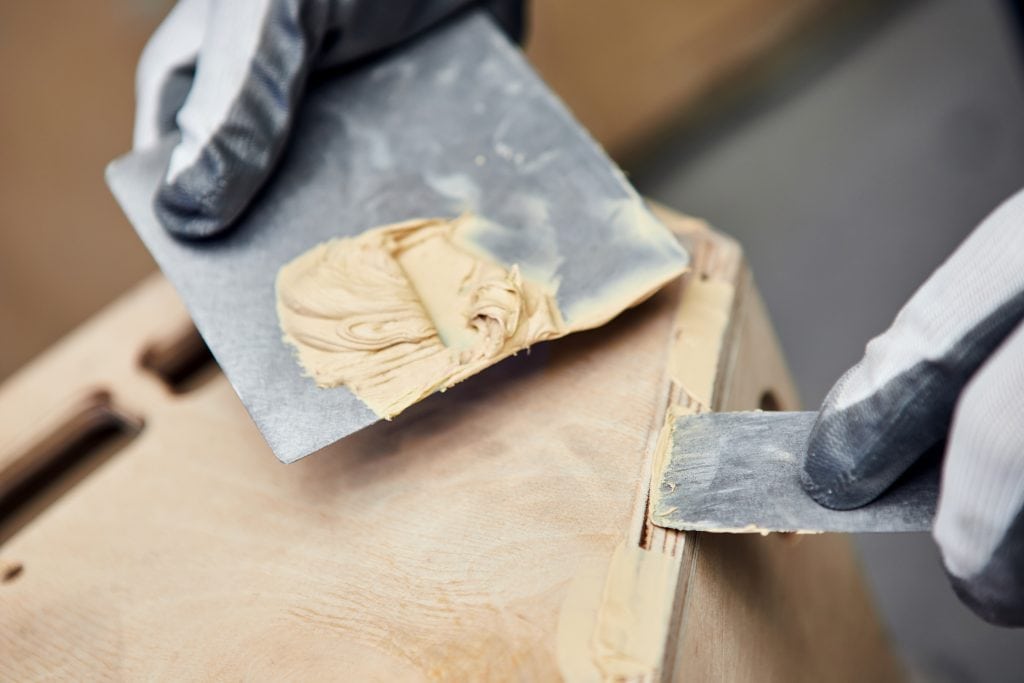
Choosing the right wood filler for hardwood floors confuses many homeowners because the best solution isn’t always a wood filler at all. To name just one example, the best wood filler might actually be a wood epoxy or putty, depending on your specific problem. Wood filler is designed for small holes and nail pops, while hardwood floor filler for larger gaps requires different products. Water-based fillers dry quickly and are eco-friendly, whereas solvent-based options offer stronger durability but come with higher VOCs. Therefore, we tested and ranked the 9 best wood filler for hardwood floors to help you make the right choice for your situation.
Timbermate Wood Filler

Image Source: Amazon.com
Timbermate’s water-based formula stands out as a versatile hardwood floor filler that solves a persistent problem many professionals encounter: wasted product. This Australian-made filler contains no solvents, acrylic, or latex. You can reconstitute it with water even after it dries out. Half-used containers won’t end up in the trash anymore. This makes it practical for homeowners who only need occasional repairs.
Key Features
The filler comes in 13 pre-mixed colors matching common wood species like red oak, walnut, and maple. You can apply it straight from the container for spot repairs or thin it with water for grain filling across entire floor sections. The formula dries in 15 to 30 minutes for shallow repairs, though deeper fills require several hours.
Timbermate accepts nails, screws, drilling, and routing after it cures. This matters when you need to make adjustments after filling gaps. The product remains stable through freeze/thaw cycles and never expires on the shelf. But use only stainless steel or plastic application tools because the filler reacts with low-grade steel and turns black.
The manufacturer emphasizes that Timbermate won’t shrink, sink, crack, or fall out once dry. Many flooring contractors use it for small defects and cracks with good results. You can speed drying with a heat gun or hair dryer since the formula tolerates high temperatures.
Pros and Cons
Pros:
- Reconstitutes with water after drying and eliminates waste
- Won’t shrink or crack in filled areas
- Takes all stain types after drying
- Non-toxic and contains zero VOCs
- Works as grain filler, putty, and crack filler
Cons:
- Color matching becomes tricky when applying certain finishes
- May not return to “wet color” as claimed on package
- Requires testing with your specific finish before full application
- Can turn black if applied with incorrect tools
Best For
This wood filler for hardwood floors suits homeowners who need flexibility in their repairs. You’ll benefit most if you’re filling nail holes, small cracks, or gaps before staining. The product works well when you’re uncertain about exact color needs because you can mix different Timbermate shades before application.
Especially useful for projects where you’re applying water-based finishes, though some users report inconsistent color matching with certain topcoats. Test the filler with your exact finish on scrap flooring first to avoid surprises.
Price and Value
An 8-ounce container costs between $15.97 and $19.99, while the 4-pound (about 1 quart) size runs around $47.97. The unlimited reconstitution feature improves value substantially. Where other fillers dry out and get discarded, Timbermate stays usable for years. For small hairline cracks, the spread rate reaches 55 square feet per pound, or about 65 square feet per pound when troweled thin.
The price positions Timbermate in the mid-range category, but the zero-waste aspect and versatility justify the cost for most repair situations.
Bona Pacific Filler

Image Source: Bona.com
Professional flooring contractors prefer Bona Pacific Filler when color matching matters more than price. This waterborne compound comes pre-mixed in six wood tones: Red Oak, White Oak, Ash-Maple-Pine, Brazilian Cherry, American Cherry, and Walnut. You can blend these base colors together or add universal tints to match custom or exotic woods without extensive mixing. Mixing edger dust from the actual floor being repaired creates near-perfect color continuity.
Key Features
The formula contains 65-75% solids, which delivers strong fill with minimal shrinkage. This high solids content matters because lower-quality fillers shrink as they cure and require multiple applications. Bona’s density of 13.3 pounds per gallon provides coverage at 600-800 square feet per gallon.
Dry time ranges from 30 minutes to 2 hours. Environmental conditions, coverage rate, and crack size affect drying speed. Higher humidity or cooler temperatures extend drying time, which homeowners often find when working in basements or during winter months. The filler works for spot repairs and full trowel applications on floors of all sizes.
The product earned GREENGUARD Indoor Air Quality Certification with VOC content at 100 g/L. This certification matters for occupied homes where strong fumes create problems. Tools clean up with water before the compound dries, though you’ll need mineral spirits once it cures.
The thicker formula fills soft grain and helps minimize grain raise during sanding. It won’t clog sandpaper like some competing products, which saves time and material costs during finishing. Many contractors report that sanding goes faster with Bona than alternatives they’ve tested.
Pros and Cons
Pros:
- Accepts stain like natural wood for smooth finish blending
- Six pre-mixed colors reduce custom mixing time
- Thicker consistency fills gaps in one pass
- GREENGUARD certification allows use in occupied spaces
- Professional contractors rate spreadability well
Cons:
- Some users report slight yellow tint that doesn’t stain as advertised
- Higher price point than general-purpose fillers
- Requires testing with specific stain products before full application
- Cannot use wood bleach over filled areas without damaging filler
Best For
This hardwood floor filler suits high-traffic residential and commercial installations where durability matters. The formula’s flexibility withstands seasonal wood movement without cracking, which makes it suitable for strip and parquet floors. Professionals working on refinishing projects benefit most because the product integrates with Bona’s waterborne finish system.
Homeowners tackling DIY projects should test stain compatibility on scrap flooring first. One reviewer noted the filler takes stain well when paired correctly, while another found color matching challenging with certain finishes. The 4.77 out of 5 rating from 115 customer reviews indicates performance stays consistent when application guidelines are followed.
Price and Value
A gallon costs $35.75 and positions Bona in the professional-grade category. The 600-800 square foot coverage means one gallon handles most residential refinishing projects without requiring multiple containers. Professional contractors justify the premium because the formula spreads easily and goes further than budget alternatives.
One flooring contractor stated his crew uses only Bona Pacific since the new formula launched, noting it “spreads so easily, goes forever, and dries quickly”. Another professional praised its flexibility after drying and spreadability over competing brands. The two-year shelf life in unopened containers prevents waste from expired product.
Minwax Stainable Wood Filler
Minwax Stainable Wood Filler ranks as the option most accessible to more people at hardware stores, and testing reveals it delivers on stainability better than many premium alternatives. The latex-based formula accepts all Minwax penetrating stains, including oil-based Wood Finish, Gel Stain, and water-based varieties. This filler handles cracks, gouges, nail holes, and knot holes in unfinished wood surfaces for both indoor and outdoor use.
Key Features
The texture resembles wet sand and remains the sandiest of tested wood fillers. This consistency makes spreading easy because the material stays soft and malleable without creating indents when you push it into holes. You can apply it from the container using a putty knife and press it into damaged areas. Fill above the surface to allow for sanding.
Dry time varies from 2 to 6 hours depending on repair depth. Shallow fixes cure within 2 hours. Deeper holes require layered application at 1/4 inch intervals. Each layer needs the full drying period before you add the next. The excess sands off with ease once cured, though the sandy texture persists even after sanding and staining.
The formula resists shrinking and cracking after application. Water cleanup simplifies the process before the filler sets, though you’ll need stronger solvents once it cures. Package sizes range from 1-ounce tubes up to 64-fluid-ounce containers, which gives you options based on project scope.
Testing on red oak showed this filler blended best before stain application and won the stainability comparison because it matched the surrounding wood color most closely. Minwax produced consistent coloring across the entire filled area for larger holes, especially when you have oak species. The filler does stain darker than surrounding wood, especially with light stains, but remains the closest match among tested alternatives.
One thing you’ll notice: the filler leaves yellow coloring on areas not filling holes. You’ll sand surrounding areas until the wood returns to its original state.
Pros and Cons
Pros:
- Won stainability testing against competing products
- Works consistently across multiple wood types
- Sands without excessive effort
- Available in six package sizes for different project scales
- Resists shrinking and cracking after curing
Cons:
- Sandy texture remains visible after finishing
- Some users report poor stain acceptance despite “stainable” claim
- Stains darker than surrounding wood on light finishes
- Leaves yellow residue requiring additional sanding
- Results vary based on wood species and stain type
Best For
This wood filler for hardwood floors suits small nail holes and minor defects where you need reliable stain acceptance at an available price. Testing confirms it performs best on oak flooring. You’ll get optimal results when filling nail pops and small gouges before applying Minwax stain products.
Homeowners working on furniture refinishing should test on scrap pieces first, as experiences vary. The product works better for small repairs than extensive damage requiring smooth, invisible fills.
Price and Value
A 6-ounce container costs around standard hardware store pricing, while 16-ounce sizes provide better value for floor refinishing projects. The widespread retail availability means you can pick it up during regular shopping trips without ordering specialty products. Multiple size options prevent waste on small jobs while accommodating larger refinishing work.
Woodwise Full Trowel Filler

Image Source: Woodwise
Flooring professionals gravitate toward Woodwise Full Trowel Filler when they need to fill entire floor surfaces rather than spot-treat individual defects. This product’s thinner consistency sets it apart from standard wood patch compounds and allows you to pour a workable puddle and spread it across the floor in broad strokes. You’ll trowel back and forth across cracks and voids to push the filler deep into gaps while removing excess material. This method saves time on large refinishing projects where spot-filling hundreds of individual cracks becomes impractical.
Key Features
No harsh solvents appear in the formula, which qualifies as eco-friendly. You can choose from 16 colors including Red Oak, White Oak, Maple-Ash and Walnut. The filler accepts both water and solvent-based stains like natural wood does. A 3.5-gallon bucket covers up to 3,000 square feet. The 1-gallon size handles 850 square feet. One user reported covering 670 square feet with a gallon on heavily damaged floors in ground application.
Bonding happens tight and the product dries harder than wood itself. You can sand off excess material without clogging edger papers or dulling sandpaper. Drying time ranges from 15 minutes for small gaps to several hours for deeper voids, depending on air temperature and humidity. One flooring contractor with 23 years of experience reports never receiving service calls due to this filler, even in climates without humidifiers. Water during the water-popping process before staining doesn’t reactivate the filler.
Pros and Cons
Pros:
- Spreads smoothly without clumping or rolling up during application
- Lasts 2-3 times longer than competing fillers
- Cleans up with water before drying
- Stains well when paired with compatible products
Cons:
- Shrinks as it dries and requires multiple applications for large gaps
- Creates ultra-fine dust during sanding that requires full respirator protection
- Runny consistency makes it challenging to control in some situations
- Some contractors report more shrinkage and cracking compared to alternatives like Timbermate
Best For
This hardwood floor filler suits professional contractors performing full refinishing jobs where trowel-filling the entire surface makes sense. Homeowners attempting large-scale floor restoration projects will find it practical for filling numerous gaps at once. The product works well when you’re applying water-based finishes afterward, as the formula integrates with most finishing systems.
Price and Value
The 3.5-gallon container costs around $124 to $140. Given the 3,000 square foot coverage rate, you’ll pay roughly $0.04 to $0.05 per square foot. The claimed 2-3x longevity over standard fillers offsets the upfront cost for flooring professionals who value durability over original savings.
Glitsa Wood Flour Cement
Mixing your own wood floor gap filler from sanding dust eliminates the color-matching guesswork that frustrates homeowners who use pre-tinted products. You need to blend Glitsa Wood Flour Cement with fine edger dust collected during floor sanding. This creates filler that matches your exact floor species. Red oak dust works for red oak floors, walnut dust for walnut floors, and teak dust for teak floors. This approach solves a persistent problem where pre-mixed fillers look close in the container but stand out after you apply the finish.
Key Features
The petroleum-based formula distinguishes itself from water-based alternatives because it shrinks nowhere near as much during drying. Start with a 2:1 ratio of sanding dust to cement and adjust consistency from pudding-like for trowel filling to dough-like for spot repairs. Always use 100 grit or finer dust. Coarser particles create texture problems that show through your finish.
Dry time varies based on mixture thickness, floor area and environmental conditions. The cured filler accepts stains the same way the wood itself does. It also ages at the same rate as your floor. This matters because many fillers discolor differently than surrounding wood over years of UV exposure and traffic wear.
Apply with stainless steel trowels exclusively. Other steel types react with the formula and turn the filler black. This creates permanent discoloration you cannot sand out. Use lacquer thinner or VOC-compliant solvent on tools for cleanup. Wear a NIOSH/MSHA approved organic vapor respirator during application due to evaporating solvents.
Pros and Cons
Pros:
- Eliminates inventory of multiple filler colors
- Perfect color match using actual floor dust
- Minimal shrinkage compared to water-based options
- Fast drying allows same-day sanding
- Good side-bonding prevents future separation
Cons:
- Requires respirator and proper ventilation during use
- Learning curve for achieving correct consistency
- Cannot reconstitute after drying unlike water-based fillers
- Petroleum base means higher VOC content
- Wrong steel trowels permanently ruin the mix
Best For
Flooring professionals who perform refinishing work benefit most because they generate the exact dust needed during sanding. Homeowners who tackle full floor restoration can collect edger dust for this purpose. The system works especially well for reclaimed lumber with extensive voids and shake cracks. Mixing different dust colors lets you match spot fills to specific floor sections that vary in tone.
Price and Value
One gallon costs between $58.78 and $67.98. Coverage depends entirely on your mixing ratio and crack severity. This makes per-square-foot calculations impractical. Professionals value the product for large projects where color accuracy justifies the specialized application requirements.
Elmer’s E914 Carpenter’s Wood Filler
Homeowners working on small hardwood floor repairs face a common problem: uncertainty about when filler has dried fully before sanding or staining. Elmer’s E914 Carpenter’s Wood Filler solves this with a color-change indicator that transforms from pink to natural wood tone when cured. This visual cue removes guesswork and prevents the mistake of sanding too early, which damages partially dried filler.
Key Features
The formula contains no toxic ingredients and qualifies for interior use only. You can clean tools and surrounding areas with water before the compound sets, unlike solvent-based alternatives. This matters when working on occupied homes where children or pets access the floor after repairs.
The product accepts stains, paints and sanding after drying. So you can integrate repairs into refinishing projects without compatibility concerns. The compound sands to a smooth finish. Some users report difficulty pushing it into very small holes due to its consistency.
Durability comes from a formula designed to resist shrinking and cracking after application. The filler maintains its volume as it cures, which eliminates the need for multiple applications on the same defect. You can reconstitute dried product with a few drops of water and extend usability between projects.
Sizes include 8-ounce and 16-ounce containers, plus smaller tube formats to handle minimal repairs.
Pros and Cons
Pros:
- Color-change indicator shows exact drying completion
- Water cleanup simplifies tool maintenance
- Non-toxic composition allows use in occupied spaces
- Blends with hardwood flooring when color-matched
- Small container sizes prevent waste on minor projects
Cons:
- Interior use limitation excludes exterior applications
- Thicker consistency challenges application in tiny holes
- Requires accurate color selection
- May leave residue requiring extra cleanup if overapplied
Best For
This wood filler suits homeowners tackling small repairs like nail pops, minor gouges and shallow cracks. You’ll benefit most if you’re new to floor repairs and need visual confirmation of readiness before finishing. The non-toxic formula makes it practical for homes with children or pets requiring quick room access after repairs.
Price and Value
The available retail pricing positions this filler as an economical choice to handle occasional repairs. Small tube formats provide enough material for spot fixes without investing in professional-grade quantities you won’t use.
Loba EasyFill
Professional refinishers who need perfect color matching without petroleum solvents turn to Loba EasyFill’s water-based binder system. You mix this product with fine wood dust from your actual floor during sanding. This creates filler that matches your exact species without pre-mixed color limitations. The water-based formula delivers the customization benefits of dust-mixing systems and maintains eco-friendly cleanup with low odor.
Key Features
The binder accepts wood dust from any species and works with engineered, solid, strip, plank, or parquet floors. You’ll adjust viscosity by changing your dust-to-binder ratio. This creates low viscosity for full troweling across surfaces or high viscosity for spot-filling large gaps. The ideal mixing ratio sits at 1:10 by weight or 2:5 by volume for optimal color results.
Coverage reaches 500-800 square feet per gallon on newly installed hardwood floors with small gaps. Drying speed varies based on gap size: sandable after 15-30 minutes on new floors with small gaps. Wide joints at renovations require overnight drying. You can apply both water-based and oil-based Loba finish systems as soon as 1 hour after filler application.
The dried material sands without clogging your abrasives. The filler stains without color loss seen in premixed products because it uses natural floor material. Add up to 200ml of Mixol universal tinting pigment per gallon to improve coloring for dark wood species.
One limitation: apply only to raw wood before finishing. Factory-finished or manually finished floors cannot accept this filler.
Pros and Cons
Pros:
- Perfect color matching using your floor’s own dust
- Water-based formula simplifies cleanup
- Fast drying allows workflow progression
- Won’t clog sandpaper during finishing
- Compatible with both water-based and oil finishes
Cons:
- Requires raw wood application only
- Must generate appropriate sanding dust first
- Learning curve for achieving correct viscosity
- Not suitable for nailed or screwed floors where filler may break out
Best For
This hardwood floor filler suits refinishing projects where you’re sanding floors and generating dust naturally. The system works especially when you have bonded parquet and engineered floors where movement stays minimal. Professional contractors benefit most because they control the sanding process and can collect fine dust at the right stage.
Price and Value
Pricing information wasn’t available across sources. The 500-800 square foot coverage per gallon positions this as a professional-grade option. The water-based convenience combined with perfect color matching justifies premium positioning for quality-focused projects.
Draughtex Floorboard Gap Filler

Image Source: Amazon
Unlike traditional wood fillers designed to refinish floors, Draughtex addresses a different problem: cold draughts rising through floorboard gaps. This flexible rubber material resembles a cable and expands and compresses with seasonal wood movement. You’ll stretch it into gaps where it relaxes to fit and eliminates air leakage without adhesives or mess. The dark gray color creates a natural shadow appearance between boards.
Key Features
The product comes in three widths: thin for gaps under 3mm, standard for 2-7mm gaps, and thick for 10-12mm gaps. You’ll push it into place using the included applicator wheel, though inconsistent gap sizes mean switching between widths as you work. Installation takes minutes per room in theory, but an hour proves more realistic. The material sits about 5mm recessed and resists vacuum cleaning. Sample packs containing 1 meter of each size let you test before purchasing full rolls.
Pros and Cons
The flexible material eliminates draughts while accommodating wood movement. No adhesive requirement simplifies installation, and the shadow appearance blends in naturally. But some shrinkage occurs at rubber piece ends, especially in smaller gaps that require stretching. The material stretches during installation and covers more length than the roll measurement suggests.
Best For
This solution suits homes with original floorboards where draft elimination matters more than esthetic perfection. You’ll benefit most in ground-floor rooms with air bricks nearby. The Energy Saving Trust estimates savings up to £85 per year on gas-heated homes, though individual results reach £40 per room per year.
Price and Value
A 10m thin roll costs £10.07, while 40m thin rolls run £28.67. Standard width 40m rolls cost about £31.39. The stretching characteristic means actual coverage exceeds stated roll length.
LiquidWood & WoodEpox System

Image Source: U-C Coatings
Severely damaged hardwood floors with rot require restoration rather than simple gap filling. The LiquidWood & WoodEpox System tackles this problem through a two-part approach: LiquidWood penetrates deep to strengthen rotted fibers, while WoodEpox rebuilds missing sections. This system works where standard wood filler for hardwood floors fails because it restores structural integrity, not just cosmetic appearance.
Key Features
LiquidWood consolidant hardens porous wood and penetrates damaged fibers to create a stable base for WoodEpox application. The working time spans 30-45 minutes, which requires you to plan your repair sequence. Both products cure within several hours depending on temperature.
The system earned GREENGUARD certification with no VOCs and contains no solvents or water. You can saw, nail, plane, and machine treated areas just like natural wood once curing completes. The formula never shrinks, delaminates, or cracks. Museums, the US Government, and national restoration centers specify this product for historic preservation.
Pros and Cons
Pros:
- Restores structural strength to rotted wood permanently
- GREENGUARD certified for occupied spaces
- Paintable and stainable once curing completes
- No shrinkage or cracking
Cons:
- Expensive compared to standard fillers
- Small 24 oz kit contains only four 6-ounce containers
- Requires two-step application process
Best For
This system suits restoration projects where replacing damaged flooring proves impractical due to size, shape, or historic value. Homeowners saving decorative trim or structural components benefit most. Especially effective when you have repairs requiring permanent structural soundness.
Price and Value
The 24 oz kit costs around standard restoration product pricing at major retailers. Coverage varies based on damage severity, but customers report saving thousands in replacement costs.
Comparison Table: Best Wood Fillers for Hardwood Floors
| Product | Base Type | Dry Time | Coverage | Price | Stainability | VOC/Eco-Rating | Best For | Key Advantage | Main Limitation |
| Timbermate Wood Filler | Water-based (no solvents, acrylic, or latex) | 15-30 min (shallow); several hours (deep) | 55-65 sq ft/lb | $15.97-$19.99 (8 oz); $47.97 (4 lb) | Takes all stain types | Zero VOCs, non-toxic | Small cracks, nail holes, grain filling | Reconstitutes with water after drying—eliminates waste | Color matching tricky with certain finishes |
| Bona Pacific Filler | Waterborne (65-75% solids) | 30 min to 2 hours | 600-800 sq ft/gallon | $35.75/gallon | Accepts stain like natural wood | 100 g/L VOCs; GREENGUARD certified | High-traffic residential/commercial refinishing | Six pre-mixed colors; professional-grade spreadability | Higher price point; slight yellow tint reported |
| Minwax Stainable Wood Filler | Latex-based | 2-6 hours (depending on depth) | Not mentioned | Standard hardware store pricing (6 oz and 16 oz sizes) | Accepts all Minwax penetrating stains | Not mentioned | Small nail holes and minor defects on oak | Won stainability testing; accessible to more people | Sandy texture remains visible after finishing |
| Woodwise Full Trowel Filler | Water-based (no harsh solvents) | 15 min (small gaps) to several hours (deep) | 850 sq ft/gallon; 3,000 sq ft/3.5 gallon | $124-$140 (3.5 gallon) | Accepts water and solvent-based stains | Eco-friendly, no harsh solvents | Full floor trowel-filling for large refinishing jobs | Spreads smoothly; lasts 2-3x longer than competitors | Shrinks significantly; requires multiple applications |
| Glitsa Wood Flour Cement | Petroleum-based | Varies (fast drying allows same-day sanding) | Varies by mixing ratio | $58.78-$67.98/gallon | Similar to wood (uses actual floor dust) | Higher VOCs (petroleum-based) | Refinishing projects with extensive voids | Perfect color match using floor’s own sanding dust | Requires respirator; cannot reconstitute after drying |
| Elmer’s E914 Carpenter’s Wood Filler | Water-based | Visual color-change indicator (pink to natural) | Not mentioned | Economical (8 oz and 16 oz sizes) | Accepts stains, paints after drying | Non-toxic | Small repairs like nail pops and minor gouges | Color-change indicator shows exact drying completion | Interior use only; thicker consistency challenges tiny holes |
| Loba EasyFill | Water-based binder system | 15-30 min (new floors); overnight (wide gaps) | 500-800 sq ft/gallon | Not mentioned | Stains consistently (uses floor dust) | Water-based, low odor | Refinishing bonded parquet and engineered floors | Perfect color matching; won’t clog sandpaper | Raw wood application only; requires sanding dust |
| Draughtex Floorboard Gap Filler | Flexible rubber material | Instant (no drying required) | 10m-40m rolls (stretches during installation) | £10.07 (10m thin); £28.67-£31.39 (40m rolls) | Not applicable (not a wood filler) | Not mentioned | Eliminating draughts between floorboards | No adhesive needed; accommodates wood movement | Not esthetic repairs; some shrinkage at ends |
| LiquidWood & WoodEpox System | Two-part epoxy system | Several hours (temperature dependent) | Varies by damage severity | Standard restoration pricing (24 oz kit) | Paintable and stainable after curing | Virtually no VOCs; GREENGUARD certified | Severe rot and structural damage restoration | Restores structural integrity; never shrinks or cracks | Expensive; requires two-step application process |
Quick Selection Guide
Small nail holes and cracks: Timbermate or Elmer’s E914
Professional refinishing: Bona Pacific Filler or Woodwise Full Trowel
Perfect color matching: Glitsa Wood Flour Cement or Loba EasyFill
Draught elimination: Draughtex Floorboard Gap Filler
Severe damage/rot: LiquidWood & WoodEpox System
Best stainability on oak: Minwax Stainable Wood Filler
Conclusion
Picking the right wood filler depends on your specific repair situation, not universal rankings. Small nail holes need different products than full floor refinishing or rotted sections. Test your chosen filler with your exact stain and finish on scrap flooring before tackling the actual repair. Homeowners often skip this step and find color mismatches after applying expensive finishes. Draught problems require flexible gap fillers rather than traditional wood compounds. Match the product to your problem, and you’ll avoid the frustration of redoing repairs that looked perfect until you applied your topcoat.
FAQs
Q1. What is the best wood filler to use on hardwood floors? The best wood filler depends on your specific repair needs. For small nail holes and minor defects, Timbermate or Minwax Stainable Wood Filler work well. Professional refinishing projects benefit from Bona Pacific Filler or Woodwise Full Trowel Filler. If you need perfect color matching, consider Glitsa Wood Flour Cement or Loba EasyFill, which mix with your floor’s actual sanding dust. For severe rot or structural damage, the LiquidWood & WoodEpox System provides the best results.
Q2. Should I use wood filler on hardwood floors? Yes, wood filler works well for minor issues like small holes, nail pops, and chips in hardwood floors. It’s an excellent solution for camouflaging these small defects. However, wood filler has limitations—it cannot make large scratches disappear or hide significant damage. For extensive floor damage, replacement may be necessary rather than relying solely on filler products.
Q3. How do I fill gaps in hardwood floors? For small gaps, you can use traditional wood filler products like Timbermate or Woodwise Full Trowel Filler. For larger gaps, consider alternative methods such as jute twine dipped in matching stain and wedged between boards, or cut strips of wood to fit the opening. Draughtex Floorboard Gap Filler offers a flexible rubber solution that accommodates seasonal wood movement while eliminating drafts.
Q4. Is Minwax Stainable Wood Filler good for hardwood floors? Minwax Stainable Wood Filler is a solid choice for small repairs on hardwood floors, particularly oak species. It accepts all Minwax penetrating stains and won stainability testing against competing products. The formula is widely available at hardware stores and works well for nail holes and minor gouges. However, it has a sandy texture that remains visible after finishing and may stain slightly darker than surrounding wood.
Q5. What wood filler do professionals use for hardwood floors? Professional flooring contractors typically use Bona Pacific Filler, Woodwise Full Trowel Filler, or Glitsa Wood Flour Cement. Bona Pacific is favored for its spreadability and GREENGUARD certification. Woodwise Full Trowel works well for large-scale refinishing where entire floors need filling. Glitsa Wood Flour Cement is preferred when perfect color matching is essential, as it mixes with the floor’s own sanding dust to create an exact match.