Hardwood floor scratches appear faster than most homeowners expect, often within months of installation. You may have invested in quality flooring, but scratches still happen because several factors work against you. The propensity for wood flooring to scratch is influenced by the finish quality, wood species hardness, and how well the floor was sealed. Many homeowners damage their floors through everyday habits without realizing it. They drag furniture, let pet nails grow too long, and track in abrasive debris. This piece walks through why hardwood floor scratches easily and what mistakes accelerate damage (including hardwood floor scratches from dogs). We’ll also cover how to protect hardwood floors from scratches using durable hardwood flooring options and scratch resistant hardwood flooring techniques.
The Real Reasons Hardwood Floor Scratches Easily
Your Floor Finish Is Softer Than You Think
The protective coating on your floor determines scratch resistance more than the wood itself. Water-based polyurethane dries clear and fast, but it’s not the toughest option. Oil-based polyurethane offers better durability and handles high-traffic areas with ease, which is why commercial spaces often rely on it. Aluminum oxide finishes, applied at factories, rank as the hardest available and can last years without visible wear. But you cannot refinish these with ease when damage appears.
Hard wax oil penetrates wood rather than forming a hard surface layer. Scratches blend in over time and spot repairs are simple. The trade-off? You’ll need to reapply oils every 2-3 years to maintain protection. Shellac and wax finishes require even more upkeep through frequent buffing and reapplication. Moisture-cured urethane creates a resilient seal against scratches and moisture. This makes it suitable for bowling alleys and similar environments.
You Chose a Soft Wood Species
Wood hardness affects how well floors resist dents and scratches. The Janka scale measures the force needed to embed a steel ball halfway into wood. Red Oak, rated at 1220 lbf, serves as the industry measure.
Softer species scratch faster:
- Pine: 380-850 lbf (very soft, distresses quickly)
- Cherry: 950 lbf
- Walnut: 1010 lbf
Harder options resist damage better:
- Hickory: 1820 lbf (30% harder than maple)
- Brazilian Walnut (Ipe): 3510 lbf
The Top Layer Is Too Thin
Engineered hardwood uses a real wood veneer over a core layer. Standard wear layers measure 2mm, while high-quality floors use 3-4mm. This thickness determines refinishing potential. Sanding removes about 1mm each time. A 2mm wear layer allows only one refinishing and lasts 10-20 years. A 6mm wear layer can be sanded five times and extends the floor’s lifespan much longer.
Your Floor Was Never Properly Sealed
Unsealed floors lack the protective barrier that prevents scratches from penetrating wood fibers. Moisture causes buckling and swelling without proper sealing. Site-applied finishes using fewer than three polyurethane coats leave floors vulnerable. Factory-applied baked-on finishes provide superior protection compared to on-site applications.
What You’re Doing Wrong That Causes Scratches

Image Source: Romero Hardwood Floors
Most damage stems from daily habits rather than floor quality. Homeowners often blame their flooring when scratches appear. The real culprit is how you interact with your floors.
Dragging Furniture Without Protection
Scooting chairs or tables across your floor creates immediate scratches, especially when dirt sits underneath. Lift furniture to prevent this damage. Felt pads under furniture legs provide a protective barrier, but they need replacement since they wear down under heavy pieces that move often. I’ve worked with homeowners who nudged their couch just an inch to adjust placement and created visible scratches. Resist that urge.
Letting Pet Nails Go Untrimmed
Pet claws don’t damage floors by touching them. Scratches happen when pets run, jump, or change direction quickly. Trim nails to reduce this risk. Nail caps offer an alternative option. Heavier dogs press more weight into the floor through their nails, as with stiletto heels that concentrate force.
Tracking In Dirt and Debris
Tiny particles of sand and grit act as abrasives on your floor. Those particles act like fine-grit sandpaper each time someone walks across with dirt on their shoes and grind away the protective finish. Dirt combined with moisture creates mud that accelerates wear. Sweep or vacuum high-traffic areas daily to remove these particles before they scratch the surface.
Using the Wrong Cleaning Products
Vinegar, ammonia, and bleach strip the protective finish from hardwood. These harsh chemicals break down the coating and leave floors dull and vulnerable to scratches. Oil-based cleaners trap dust on top of the varnish and fade floors over time. pH-neutral formulas clean without causing harm.
Ignoring High-Traffic Zones
Entryways, hallways, and kitchens endure more foot traffic and require increased attention. These areas accumulate dirt faster, which means more opportunities for abrasive particles to damage the floor. Area rugs in these zones provide additional protection against wear.
How to Protect Hardwood Floors from Scratches
You need proactive choices during installation and consistent maintenance habits to protect your floors afterward. Here’s how to prevent hardwood floor scratches from dogs and daily wear.
Choose Scratch Resistant Hardwood Flooring
Select harder wood species that resist scratches better. Hickory rates 1820 on the Janka scale and resists dents and scratches well. Maple scores 1450 and works well in active homes. White Oak at 1360 offers solid scratch resistance with a tight grain structure that hides imperfections. Brazilian Cherry reaches 2350, substantially harder than domestic options.
Engineered hardwood with an aluminum oxide finish provides the toughest surface protection available. This transparent coating doesn’t affect appearance and guards against fading from UV exposure. Urethane aluminum oxide finishes increase flooring resilience substantially without changing how the wood looks.
Apply Furniture Pads and Area Rugs
Felt pads attached to furniture legs prevent scratches when chairs move. Replace these pads often since they collect grit that scratches floors. Place rugs at entryways to trap dirt before it spreads. Position area rugs in high-traffic zones where your pets walk often. Use rug pads designed for hardwood that won’t leave residue.
Trim Pet Nails and Use Nail Caps
Trim your dog’s nails when you hear them clicking on the floor. This simple rule prevents most pet-related damage. Nail caps like Soft Claws blunt nails so almost no damage occurs when pets scratch. These vinyl caps last about 4-6 weeks before falling off on their own.
Clean Floors the Right Way
Vacuum or sweep before mopping since dirt acts as an abrasive when pushed around. Use pH-neutral cleaners with a damp mop. Avoid cleaners containing bleach or ammonia since these strip protective coatings. Never use vinegar or acidic products that pit the finish.
Refinish Worn Areas Before Damage Spreads
Worn spots show discoloration and surface scratches that affect durability. Spot sanding and recoating prevents minor wear from becoming major damage that requires full refinishing. Sand with 24 or 36 grit, work up to 80 grit, then apply sealer and water-based polyurethane.
When to Replace vs Repair Scratched Floors

Image Source: Dustless Hardwood Floors
Deciding between repair and replacement depends on damage severity and your floor’s remaining thickness. Light scratches and surface issues respond well to refinishing. But water damage throughout the floor, warping in multiple areas, or deep gouges make replacement the more practical solution.
Signs Your Floor Can Be Refinished
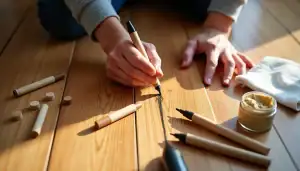
Heavy scratches in large areas, worn finish where wood looks dull or bare, and fading from sunlight indicate refinishing will restore your floors. Water stains that won’t clean up and gray or black discoloration suggest damage penetrated the finish. The protective coating has worn through if you’re seeing bare wood in high-traffic areas. Deep scratches may require sanding and refinishing, while light surface scratches often need only a repair kit or matching stain marker.
When the Damage Is Too Deep
Boards that have risen 4-5 inches from the floor are beyond saving and require complete replacement. Cupping, where board edges rise higher than the center, signals water sat too long. Engineered floors with thin wear layers may allow one refinishing only.
Cost and Time to Refinish
Refinishing costs $3-$8 per square foot, with an average project running around $1,800. Labor accounts for up to 80% of total cost at $60-$160 per hour. Most projects take 3-5 days. Board replacement adds $6-$12 per square foot.
When to Call a Professional
Professionals complete refinishing faster due to specialized equipment and experience. DIY attempts may save 50% upfront but risk uneven surfaces, visible streaks, or finishes that fail within 2-4 years instead of the standard 7-10 years.
Conclusion
Hardwood scratches happen faster with soft species, no protective measures, and damage from daily habits. I’ve seen homeowners blame their flooring’s quality, but the biggest problem was dragging furniture or letting their pet’s nails grow too long. Select harder woods like hickory and apply furniture pads. Trim pet nails often. Clean with pH-neutral products. Your floors will resist scratches much longer than average installations.
FAQs
Q1. Is it normal for hardwood floors to scratch easily? Yes, hardwood floors can scratch depending on several factors including the wood species, finish type, and how well they’re maintained. Softer woods like pine and cherry scratch more easily than harder species like hickory or maple. The protective finish also plays a major role—water-based polyurethane is less durable than oil-based or aluminum oxide finishes. While all flooring can scratch if mistreated, choosing harder woods with quality finishes significantly reduces susceptibility to damage.
Q2. What’s the best way to prevent scratches on hardwood floors? Attach felt pads to all furniture legs and replace them regularly as they wear down. Place area rugs in high-traffic zones and at entryways to trap dirt before it spreads. Keep pet nails trimmed short—if you hear clicking sounds when they walk, it’s time for a trim. Sweep or vacuum daily to remove abrasive particles like sand and grit that act like sandpaper on your floors. Always lift furniture instead of dragging it across the floor.
Q3. Which flooring options are most scratch-resistant? Hickory is one of the most scratch-resistant hardwood options, rating 1820 on the Janka hardness scale. Brazilian Cherry scores even higher at 2350, while maple offers solid resistance at 1450. For maximum protection, choose engineered hardwood with an aluminum oxide factory finish, which creates the hardest surface available. Bamboo flooring is also highly durable and scratch-resistant due to its dense fiber structure.
Q4. Do dogs really damage hardwood floors? Dogs can scratch hardwood floors, but the damage primarily occurs when they run, jump, or change direction quickly rather than from simply walking. Heavier dogs cause more damage because their weight concentrates force through their nails. Regular nail trimming is essential—trim when you hear clicking sounds on the floor. Nail caps like Soft Claws provide an effective alternative by blunting the nails and preventing virtually all scratch damage.
Q5. Can I add a new topcoat to fix easily scratched floors? Adding a new topcoat can help protect floors from future scratches, but it won’t hide existing damage and could look worse if incompatible with the current finish. If you don’t know what finish is already on your floors, applying polyurethane over certain products like polyacrylic can cause peeling or flaking. For best results, lightly sand the surface first, ensure compatibility between products, and apply multiple coats of a durable finish like oil-based polyurethane or a two-part conversion varnish.