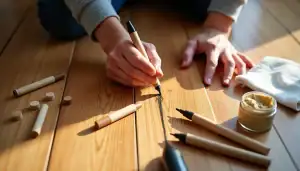
Wood bleach can transform darkened, stained, or discolored hardwood floors back to a lighter, uniform appearance. Homeowners often encounter stubborn water stains, dark spots from iron damage, or want to lighten their floors before refinishing. But bleaching wood floors requires understanding which chemical solution works for your specific situation.
Three different products can be used to bleach wood. Two part wood bleach solutions are ideal for lightening surfaces like floors and furniture, while oxalic acid wood bleach removes dark stains caused by water damage or rust. Chlorine bleach works for dye and organic stains.
This piece walks you through the complete process of bleaching hardwood floors. You’ll learn which type to use and get step-by-step application instructions that help you avoid common mistakes damaging your floors.
What Is Wood Bleach and Why Use It on Hardwood Floors
What Wood Bleach Does
Wood bleach removes color at the chemical level and gives you control over the final appearance. Two part wood bleach, made with sodium hydroxide and hydrogen peroxide, creates a chemical reaction that alters the wood’s natural pigment. This is the only true wood bleach available. Apply both parts and the wood starts to lighten almost right away. The final color is reached after a few hours.
Oxalic acid and chlorine bleach work in different ways. Oxalic acid removes iron and rust stains but won’t truly remove natural wood pigment. Chlorine bleach can remove stains or dyes from wood, but it won’t alter the wood’s natural color. Neither of these products can achieve the same lightening effect as two part wood bleach.
Wood bleach only works on bare wood. Strip or sand off any existing stain, sealer, oil, or wax first. You can repeat the bleaching process multiple times to reach your desired shade.
Benefits of Bleaching Hardwood Floors
Bleach restores old or worn-out floors and helps them look new again. It addresses darkening that occurs over time and uneven coloring. Stubborn stains that sanding alone can’t remove also respond to bleaching.
Two part wood bleach is economical and easy to find. The solution is odorless and can be used indoors when you follow proper precautions. This makes it practical for homeowners tackling floor refinishing projects.
When Bleaching Makes Sense
Different wood species respond to bleaching in different ways. Oak achieves lighter shades with ease and is excellent for bleaching. Maple can be bleached to light shades, and pine bleaches well and can achieve very pale colors. But cherry shows minimal lightening effect when bleached, and walnut doesn’t lighten by much.
Bleach makes sense when you want to lighten dark floors or create a uniform appearance after removing damaged boards. You can also use it to prepare floors for a lighter finish color. Woods with high tannin content respond especially well to bleaching treatments.
Test your specific floor type before treating the entire surface if you’re uncertain about results. Some exotic hardwoods may react in unexpected ways when exposed to bleach. Then a small test area helps you avoid unexpected outcomes on your entire floor.
Types of Wood Bleach for Hardwood Floors

Image Source: WOOD Magazine
Two Part Wood Bleach (A/B Bleach)
Two part wood bleach has sodium hydroxide in bottle A and hydrogen peroxide in bottle B. You apply solution A first to saturate the wood and then follow with solution B over it. The two components react together to create an oxidizing effect that removes natural color from wood. Zinsser Wood Bleach is a common kit that has both A and B solutions. You sand to remove residue and reveal lighter wood after letting it dry overnight.
This is the most effective bleaching system available for hardwood floors. The chemical reaction can lighten wood substantially and may also affect some pigment stains, though it doesn’t work on dye stains.
Oxalic Acid Wood Bleach
Oxalic acid comes in crystal or powder form that you dissolve in hot water before application. This bleach removes black water spots, tannin stains and rust marks from wood. Iron from tap water contacts the tannic acid in oak, cherry or mahogany and creates black staining. Oxalic acid eliminates these marks without changing the wood’s original color.
You apply the hot solution with a scrub brush and repeat every 10 minutes until you reach the desired result. The wood must then be rinsed multiple times with clean water to neutralize the acid. Baking soda added to water helps neutralize any remaining acid further.
Household Chlorine Bleach
Regular household bleach removes dye stains caused by juice, blood or coffee spills. But it often proves ineffective and requires many applications. Pool bleach (calcium hypochlorite) provides a stronger alternative that works more reliably.
Which Type Works Best for Floors
Select your bleach based on what caused the discoloration. Use two part wood bleach to lighten overall. Choose oxalic acid for water damage or rust stains. Apply chlorine bleach only for dye-based stains.
How to Bleach Hardwood Floors: Step-by-Step Process

Image Source: Zillow
Step 1: Prepare Your Floor and Work Area
Bleach only penetrates bare wood. The bleach cannot reach the wood if protective sealants remain on the surface, and you’ll waste your money. Sand the floor with coarse-grained sandpaper in the direction of the planks to remove any existing finish. Start with 36 to 40 grit, progress to 60-grit, and finish with 100 grit. Vacuum and wipe the floor after sanding to remove all dust. Open all doors and windows for ventilation since bleaching agents can release toxic fumes.
Step 2: Gather Your Materials and Safety Gear
You’ll need two part wood bleach, sponges or brushes, glass or plastic containers for mixing, and protective equipment. Always wear gloves, safety goggles, and masks when working with bleach. Bleach can harm your skin and eyes if contact occurs. Avoid metal bowls as bleach damages metal. Choose ceramic or glass containers instead.
Step 3: Mix and Apply Solution A
Pour solution A into a glass or plastic container. Saturate the wood with a sponge or brush. Apply it across the whole surface. Let solution A sit for 5 minutes before you proceed to the next step.
Step 4: Apply Solution B
Apply solution B over the whole surface with a new container and sponge. The wood begins to lighten almost right away. Apply the solution to avoid streaking or uneven results.
Step 5: Let the Floor Dry
Allow the floor to dry for several hours. The bleaching process takes time to finish. Let it sit overnight for best results to see the final color before adding more bleach.
Step 6: Sand and Neutralize the Surface
Bleaching raises the grain of the wood. Sand with 240 grit sandpaper to smooth the surface. Wipe the floor with a cloth moistened with a 50-50 solution of white vinegar and water to neutralize the bleach. This eliminates any lingering bleach that might react with sealant. Rinse the area with clean water several times. The surface must be dry before applying finish, which takes 24 hours.
Safety Tips and Common Mistakes to Avoid

Image Source: The Spruce
Essential Safety Precautions
Wear gloves, safety goggles and protective clothing when handling wood bleach. The chemicals can burn skin and damage eyes on contact. Work only in spaces with open doors and windows that provide good ventilation. Bleaching agents release toxic fumes that can harm your skin and internal organs if you breathe them in.
Test the bleach on a hidden floor section first. Check for damage after 24 hours before treating the whole surface. Never mix bleach solutions ahead of time. The activated bleaching agent dissipates quickly and wastes product. Use glass or ceramic containers to mix. Bleach damages metal, so avoid pewter or copper bowls.
Mistakes That Can Damage Your Floors
Engineered hardwood requires special attention. The veneer must be thick enough to sand, or you risk damaging the floor. Antique wood loses value when you remove protective sealants. Apply bleach in thin layers rather than pouring it directly onto the floor. This layered approach prevents over-saturation and uneven results.
Lingering chemicals may react with your floor sealant if you skip neutralizing the bleach. Rinse really well between applications and after the final treatment.
What to Do If Results Aren’t Even
Uneven bleaching creates patchy appearances with three different tones on your floor. Professional refinishing may be needed to correct severe discoloration. Some woods develop yellow tints over time after bleaching.
Cost and Time Expectations
The cost to bleach hardwood floors ranges from $1.33 to $1.58 per square foot in January 2026. The process spans several days. You need time for application, drying periods between coats and final drying before finishing.
Conclusion
You now have everything needed to bleach your hardwood floors. Choose the right bleach type to address your specific problem. Two-part bleach works for lightening. Oxalic acid removes water stains, and chlorine tackles dye marks. Test a hidden area first. Follow safety protocols with care.
With proper preparation and patience, you can restore your floors to a lighter and more uniform appearance. No need to hire professionals.
FAQs
Q1. Can household bleach remove black water stains from hardwood floors? Household chlorine bleach is not effective for removing black water stains from hardwood floors. These dark stains are typically caused by iron reacting with tannins in the wood, and they require oxalic acid wood bleach instead. Two-part wood bleach is designed for overall lightening, while oxalic acid specifically targets water damage and rust stains.
Q2. Is it safe to use diluted bleach to clean hardwood floors? No, you should never use bleach to clean hardwood floors, even when diluted. Bleach can damage the protective finish on your floors from the first application by degrading the wax layer and potentially penetrating down to the wood itself. Use cleaners specifically designed for hardwood floors instead.
Q3. Will bleaching hardwood floors work if there’s still finish on them? No, wood bleach only works on bare wood. Any existing finish, stain, sealer, oil, or wax must be completely removed through sanding before bleaching. If protective sealants remain on the surface, the bleach cannot penetrate the wood and will be ineffective.
Q4. How long does it take to bleach hardwood floors? The bleaching process spans several days. After applying the two-part bleach solution, you need to let it dry overnight to see the final color. The floor must then be sanded, neutralized, and allowed to dry completely for 24 hours before applying any finish.
Q5. Can all types of hardwood be bleached to the same degree? No, different wood species respond differently to bleaching. Oak, maple, and pine bleach well and can achieve lighter shades, with pine reaching very pale colors. However, cherry shows minimal lightening effect, and walnut doesn’t significantly lighten when bleached. Always test a hidden area first to check results.