

In this guide
Choose the wrong wax, and you’ll be on your knees reapplying every couple of months. Choose the right one, and you may not touch the floor again for two or three years. The difference comes down to how each type works—and most homeowners pick based on price or what’s on the shelf without knowing why.
This guide covers how each wax type behaves, where each one belongs, what it actually costs, and how to apply it correctly.
How the Three Types Work
Oil Wax (Hardwax Oil)
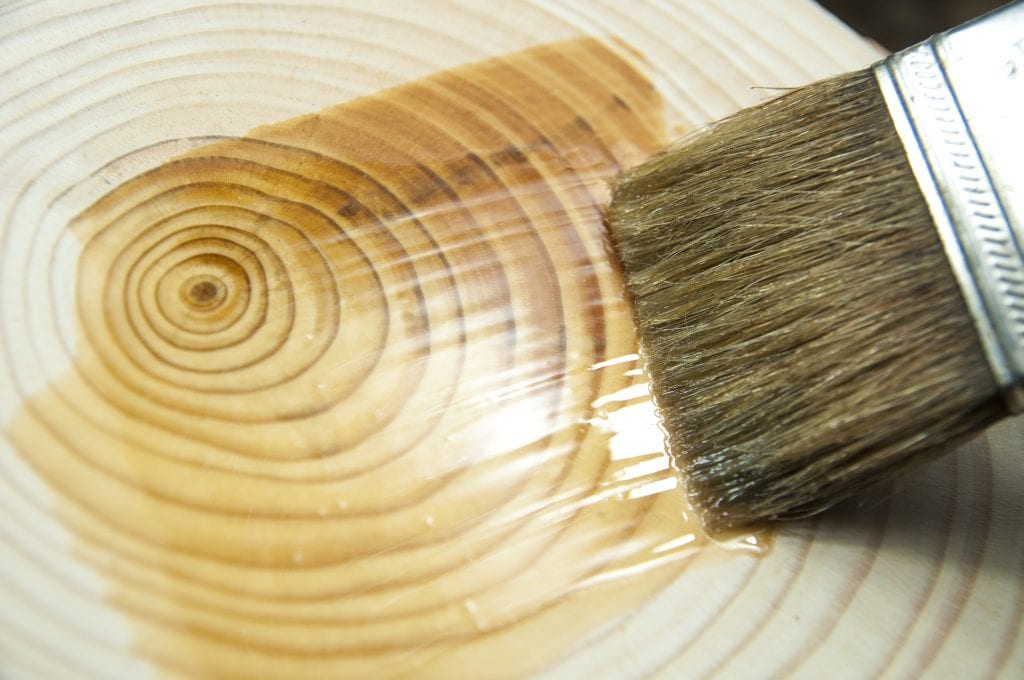
Hardwax oil penetrates into wood fibers rather than sitting on top. The formula combines vegetable oils—typically linseed, tung, or soy—with hardening waxes like beeswax or carnauba. The oil soaks into the wood; the wax component forms a thin protective film at the surface.
Two formula versions exist: single-component and two-component. Single-component hardwax oils cure through oxidation—a slow process that takes up to 30 days for complete hardening. The floor is vulnerable to moisture damage during that window. Two-component versions add an isocyanate hardener that accelerates curing to under a week and substantially increases durability and chemical resistance. For most residential projects, a two-component formula is worth the premium.
VOC content varies widely. Some formulas contain 0% VOCs; others carry significant solvent load. If the space has limited ventilation or occupants with sensitivities, check the product data sheet before buying—manufacturers list VOC content specifically. Reapplication is needed every 2–3 years under normal residential traffic.
Paste Wax
Paste wax is the oldest of the three—it’s what historic homes were finished with for a century before polyurethane existed. The formula contains high wax concentration with minimal solvent, resulting in a thick, firm consistency that requires hand application. Most formulas combine beeswax, carnauba wax, and odorless mineral spirits. Minwax Finishing Wax costs around $17 for 16 oz—one of the cheaper entry points by container price, but the maintenance frequency makes it the most expensive option over time.
The protective layer paste wax creates sits on top of the wood surface rather than penetrating it. It wears away quickly—4 to 8 weeks in regularly used spaces before visible wear sets in. That makes it impractical for any high-traffic floor unless you genuinely enjoy the maintenance ritual.
Liquid Wax
The formula flips the paste wax ratio: higher solvent content, lower wax concentration—thin enough to apply with a mop while standing. Rust-Oleum Satin Wax for Finishing runs about $23 per quart. Modern formulas often incorporate synthetic polymers that bond more durably to wood surfaces than natural wax alone—that’s what gives liquid wax its edge over paste in chemical resistance and wear.
It needs more coats than paste wax to build equivalent protection, and it still sits on the surface rather than penetrating. But the application is fast—a room takes 10 to 15 minutes versus 30 to 60 minutes for paste—and the 3-to-6-month reapplication interval is far more manageable than paste wax’s 4-to-8-week cycle.
One important note: use solvent-based liquid wax on hardwood floors only. Water-based and acrylic liquid waxes cause white tinges on finished floors and can damage unfinished hardwood outright. The label needs to specify “for use on floors”—furniture waxes create surfaces that are dangerously slippery underfoot.
Quick Comparison
| Oil wax (hardwax oil) | Paste wax | Liquid wax | Winner | |
| Durability | Penetrates wood fibers; resists scratches & moisture | Sits on surface; wears quickly | Surface coat; moderate protection | Oil Wax |
| Protection duration | 2–3 years | 4–8 weeks | 3–6 months | Oil Wax |
| Application effort | Moderate—flood, wait, remove excess | Hard—hands and knees, 30–60 min/room | Easy—mop while standing, 10–15 min | Liquid Wax |
| Coats needed | 2 | 1–2 | 2–3 | Paste Wax |
| Cure time | Single-component: up to 30 days; Two-component: <1 week | Haze in 10–60 min; traffic after 8+ hrs | 30–60 min between coats; traffic after 8+ hrs | Liquid Wax |
| Material cost | Higher upfront; varies by formula | $17/16 oz ($0.15–$0.25/sq ft) | $23/quart ($0.30–$0.45/sq ft) | Paste Wax |
| Long-term cost | Lowest (reapply every 2–3 yrs) | Highest (reapply every 4–8 weeks) | Moderate (reapply every 3–6 months) | Oil Wax |
| VOC content | 0% to varying (zero-VOC available) | High—strong solvent odor | Varies by formula | Oil Wax |
| Sheen | Matte, natural—shows grain | Warm, deep luster | Glossy, glass-like | Preference |
| Best for | High-traffic, pets, children | Historic floors, furniture, low traffic | Bedrooms, offices, moderate use | Depends on use |
The data was collected from the official websites of the products mentioned in the article.
Choosing the Right Wax for Your Floor
- High-traffic areas (entryways, hallways, kitchens, family rooms): Oil wax. The penetrating formula handles daily wear without surface coatings breaking down. Homes with pets or kids especially benefit—oil wax resists scratches and moisture from the inside out, not just at the surface.
- Historic homes and antique floors: Paste wax, specifically because modern finishes would alter the original character. It’s the preservation choice, not the practical one.
- Bedrooms, home offices, and formal rooms: Liquid wax. Moderate traffic, easy application, 3-to-6-month reapplication schedule that most homeowners can realistically stick to.
- Floors already finished with polyurethane: Neither oil wax nor paste wax works here—oil wax requires bare wood or a previously oiled surface to penetrate properly. Use a compatible liquid maintenance product instead, or strip and refinish.
Surface Prep Before Any Wax
Prep work determines whether the wax bonds correctly. Skip it and the product sits unevenly, cures slowly, or peels in patches.
- Remove all furniture, rugs, and objects from the room. Plan your exit route before you open any containers.
- Inspect for scratches, dents, and cracks. Fill imperfections with a wax-compatible filler in the right wood color before waxing—filler doesn’t key to wood once wax is applied.
- Strip old wax buildup with mineral spirits on a soft cloth, or use a commercial stripper like Trewax Heavy Duty Floor Stripper. Work in 2-foot sections. Fine-grade steel wool removes stubborn residue.
- Vacuum or dry-mop with a microfiber pad to remove all dust. Damp-mop with a wood-safe cleaner if needed, then dry thoroughly before proceeding.
Application: Step by Step
Oil Wax
Room temperature should be at least 50°F with ventilation running. Stir the hardwax oil completely before use—pigment and oils separate in the can.
Edge the room first with a brush, working with the grain. Then use a soft-pile roller or applicator pad on the main floor, rolling with the board direction in small sections. Start away from the door and work toward it. Apply thin, even coats—thick applications cure unevenly and scratch more easily once dry.
Allow 4–6 hours between coats. Test dryness by sanding a small area with fine sandpaper—if it raises dust rather than gumming up, the coat is ready. Two coats handle most residential installs. Allow 24 hours after the final coat before returning furniture.
Paste Wax
Wear chemical-resistant gloves and work in a ventilated area. Scoop about 1 tablespoon onto a lint-free cloth and fold it into a pad. Rub with the grain on plank floors; use circular motions on parquet. Work in 1-to-2-foot sections, spreading a thin, even layer. One coat is sufficient over finished wood; unfinished wood takes two.
Allow the wax to haze—10 minutes to 1 hour depending on conditions. Buff with a clean white pad or steel wool (1/0 for more matte, 4/0 for more shine). Change pads frequently—a loaded pad smears rather than polishes. Allow 8 hours before foot traffic.
Liquid Wax
Shake the bottle before use. Pour roughly 1 tablespoon onto the floor and spread with a mop head or microfiber cloth in 1-to-2-foot sections, working from a corner toward the door. Spread thin—thick coats don’t cure faster and produce uneven sheen.
Allow 30–60 minutes between coats. Two to three coats total builds adequate protection. Buff each coat with a clean cloth after it hazes. Allow 8 hours after the final coat before walking on the floor.
Bottom Line
Oil wax wins on durability and long-term cost—reapply every 2–3 years and the floor handles real daily use. Paste wax suits historic preservation work, not busy households. Liquid wax is the practical middle ground for moderate-traffic rooms where easy application matters more than maximum longevity. Base the choice on how the floor actually gets used, not on what’s cheapest at the register—professional waxing services run $0.70–$0.86 per square foot (according to HomeAdvisor), so getting the right product the first time is worth the extra thought.
Sources
Every external claim in this guide links to its origin. Collected automatically from the text above.
- Minwax Finishing Wax — minwax.com
- Rust-Oleum Satin Wax for Finishing — rustoleum.com
- HomeAdvisor — homeadvisor.com

Dave Blomqvist
Dave writes about exterior maintenance, structural repair, and outdoor projects for Decor Modern. If it's on the outside of your house — siding, garage doors, decks, gutters, or that rotting windowsill you've been ignoring — it's probably in his territory. Dave spent over a decade working in residential construction in the Pacific Northwest, where rain doesn't ask permission and wood rot is a year-round job. He started as a framing carpenter, moved into exterior restoration, and eventually ran his own small crew specializing in deck builds and siding replacement. Over the years, he worked on hundreds of exterior repair and construction projects in real-world weather conditions. That hands-on background shapes how he writes: he knows which product specs actually matter on a job site and which ones are just marketing. He knows which materials fail over time, which installations hold up, and what shortcuts typically lead to expensive repairs later. On Decor Modern, Dave authored the garage door replacement cost guide and the home value ROI series. He's the team's go-to voice on anything structural — when a floor sags, a door frame shifts, or a homeowner needs to know whether a crack is cosmetic or warrants calling an engineer. He focuses on helping homeowners distinguish between cosmetic issues and structural problems that require professional evaluation. Dave lives in Oregon with his wife and two dogs, in a 1970s split-level that he describes as "a never-ending punch list."